Fish oil can cause burping, fishy aftertaste, bad breath, nausea, heartburn, diarrhea, and stomach upset, especially when you take it on an empty stomach. Higher doses may also raise bleeding risk, interact with blood thinners, and, in some studies, increase atrial fibrillation risk. You can often reduce burps by taking capsules with meals, splitting doses, or choosing enteric-coated or algae-based omega-3s, and more details can help you choose the safest option.
Takeaways
- Fish oil commonly causes burping, fishy aftertaste, nausea, heartburn, diarrhea, stomach discomfort, and constipation.
- Burping may happen when oil breaks down or refluxes; taking capsules with meals can help reduce it.
- Higher doses can increase bleeding concern, especially with blood thinners or active bleeding problems.
- Fish oil may raise LDL cholesterol and, at higher doses, has been linked to atrial fibrillation risk.
- Severe allergy signs include swelling, hives, wheezing, or trouble breathing; people with fish allergies should avoid it.
What Are the Common Fish Oil Side Effects?

Fish oil supplements can cause several common side effects, especially when you take higher doses.
You may notice an unpleasant aftertaste, bad breath, nausea, heartburn, diarrhea, stomach discomfort, and constipation. Fish oil can also cause fishy-smelling sweat in some people.
Omega 3 allergies can also cause rash or itching, and cholesterol changes may raise LDL levels. Some people may notice a measurable difference in blood clotting times or bleeding risk, particularly at very high doses or when taken with other anticoagulants blood thinning effects.
These effects usually stay mild, but high doses increase the chance of problems.
Why Fish Oil Causes Burping and Fishy Burps
Fish oil often causes burping because it can release volatile compounds as it breaks down.
During gastric oxidation, fatty acids form aldehydes and thiol emissions, and rancid oil increases these odors.
If the capsule opens in your stomach, the oil can separate, reflux upward, and trigger burping to clear the irritated esophagus and move gas out. Fish oil supplements can also float near the lower esophageal sphincter, so a volatile compounds layer may make fishy burps more likely.
How to Stop Fish Oil Burps
You can stop fish oil burps by taking your capsules with meals, especially when the meal includes healthy fats that slow stomach emptying and reduce reflux.
You should also chill the capsules in the freezer for at least 2 hours before dosing, because cold capsules dissolve more slowly and release less oil in the stomach.
Swallow them quickly with cold water, then stay upright after taking them to further lower the chance of burping.
Additionally, choosing algae-based omega-3 supplements can provide EPA and DHA without fish-derived sources, offering a plant-based alternative that may reduce appetite for fish-related aftertaste and potential contaminants. EPA and DHA
Take With Meals
Taking fish oil with meals often reduces burps because food slows stomach emptying and helps the oil mix with digestive fluids.
Choose meals with healthy fats, check capsule meal compatibility, and avoid reflux trigger foods like caffeine, alcohol, and carbonated drinks.
Taking it with breakfast or your largest meal improves absorption, and dosing after eating lowers irritation from an empty stomach.
Chill Capsules
Chilling fish oil capsules can reduce burps because cold capsules break down more slowly in the stomach. You lower Capsule Temperature with frozen capsules and cold water, so less oil releases early, and stomach comfort improves.
Use a dosing schedule with smaller portions, then increase by gradual acclimation over 2 to 3 weeks. This limits volatile compounds, supports digestion, and reduces burping.
Fish Oil Digestive Side Effects
Fish oil most often causes digestive side effects such as burping, fishy aftertaste, and loose stools.
Dosing and formulation can influence these issues: taking omega-3 with a fat-containing meal tends to reduce digestive discomfort, while high-dose softgels and ethyl ester forms may increase burping risk, especially when taken on an empty stomach. Triglyceride omega-3 forms may offer differences in absorption compared with ethyl ester forms, which can impact tolerability and perceived side effects.
You can reduce them with Digestive intolerance management and dosing schedule adaptation, especially by taking it with a fat-containing meal.
Does Fish Oil Cause Heartburn and Reflux?

Fish oil can cause heartburn because it stimulates stomach acid, slows gastric emptying, and can relax the lower esophageal sphincter, which lets acid rise into your esophagus.
Meal timing matters, since taking it on an empty stomach or near bedtime can increase irritation and reflux, especially at doses above 3 grams daily.
You can lower the risk by taking fish oil with food, splitting doses, choosing enteric-coated capsules, and staying upright after you take it.
Creatine can also support recovery during high-intensity training by helping replenish ATP and reducing muscle damage, which may influence how you tolerate fish oil during heavy training periods.
Why Heartburn Happens
When you take omega-3 supplements, heartburn can happen because the oil acts as a concentrated fat that slows stomach emptying and can relax the lower esophageal sphincter, allowing acid to move upward.
You may notice GERD misconceptions and stomach acid myths here, but fat also stimulates acid, irritates the stomach lining, and can trigger reflux, especially with larger doses or if your abdomen already faces extra pressure.
Meal Timing Matters
At mealtime, fish oil causes less heartburn and reflux for many people because food slows absorption and lowers stomach irritation.
You’ll get better oily supplement absorption with fatty meal strategies, especially your largest meal.
Empty-stomach doses raise delayed digestion effects, upper-abdominal pain, and nausea.
Skip reflux trigger foods if they worsen symptoms, and keep intake consistent to reduce recurring discomfort and acid reflux.
How To Prevent Reflux
To prevent reflux, you need to reduce the chance that the oil reaches the stomach too quickly or lingers there too long.
Use meal pairing tips, take fish oil with your largest meal, split doses, and choose enteric coating options.
These steps slow breakdown, lower stomach pressure, and cut burping.
If reflux persists, a triglyceride form or algae omega-3 may help.
Fish Oil Bleeding Risks
Although fish oil can slightly reduce platelet aggregation, that biochemical effect doesn’t usually lead to more bleeding in real-world studies. Elevated triglyceride lowering is more consistently observed with higher daily intake, particularly around 2-4 grams of EPA+DHA, while LDL and HDL changes are variable and generally modest. dose-related risk continues to be discussed, but trials show no major bleeding increase, even with aspirin or warfarin, so most people can take fish oil safely without concern.
Who Faces Higher Bleeding Risk From Fish Oil?
People who face a higher bleeding risk from fish oil are usually taking very high-dose purified EPA, using anticoagulants, or dealing with active bleeding problems.
In addition, combining fish oil with magnesium is generally safe for most people, but caution is advised for those with bleeding disorders or taking specific anticoagulants. bleeding risk factors
When Fish Oil May Affect Your Heart Rhythm

If you take more than 1 gram of omega-3s a day, you may raise your risk of atrial fibrillation, and studies link this higher dose to a 49% increase.
Regular fish oil use has also shown a higher rate of atrial fibrillation in healthy people, so you should watch for new palpitations, fluttering, or an uneven pulse.
Creatine-to-creatinine conversion is a separate concept from omega-3s, and understanding how biomarkers can shift without indicating injury can help you interpret heart-related lab results accurately. Creatinine conversion
High-Dose Rhythm Risk
As fish oil doses rise, the risk of abnormal heart rhythm can also rise, especially atrial fibrillation.
If you use omega 3 sources, choose products with third party testing, and keep doses at or below 1 gram unless your doctor says otherwise.
Higher daily amounts have been linked to more rhythm events, so you should track your total intake carefully.
Atrial Fibrillation Link
Although fish oil can support heart health in some settings, higher omega-3 doses have also shown a clear link to atrial fibrillation.
You may face greater risk above 1 gram daily, especially if you have no heart disease.
Fish oil can shift cholesterol balance and the gut microbiome, and studies show a dose-related rise in irregular rhythm, while lower doses carry smaller risk.
Monitor Palpitations Closely
A higher dose of fish oil can quietly change heart rhythm, and people with enhanced cardiovascular risk face the greatest concern.
If you notice palpitations, seek evaluation quickly, because arrhythmia warning signs can signal trouble.
Keep blood pressure monitoring in place, since excess lowering may trigger fast beats.
Doses above 1 gram daily raise risk, and your doctor should review any symptoms.
Who Should Avoid Fish Oil?
People with fish or shellfish allergies should avoid fish oil because it can trigger serious allergic reactions, including rash, itching, breathing trouble, and anaphylaxis.
You should also avoid it if you take warfarin, aspirin, or other blood thinners, because medication interaction basics matter, dosage risk myths aside.
If you’re pregnant, breastfeeding, under 18, or have bleeding disorders, get medical guidance first.
Safe Fish Oil Dosage and Daily Limits
For most healthy adults, fish oil is safest when you keep combined EPA and DHA intake between 250 and 500 mg daily. That range supports general health, and older adults often do best near the lower end.
Check labels for Omega 3 purity testing and drug free safety.
Doses above 3 grams need physician supervision, because bleeding risk may rise.
When Fish Oil Interacts With Medications

Safe daily limits matter, but fish oil can still change how some medicines work, so you should review your full medication list before starting it.
With warfarin, aspirin, clopidogrel, heparin, or DOACs, bleeding risk can rise or clotting control can shift.
Study dosing safety, and use a medication timing strategy when your clinician advises it, especially above 3 grams daily.
Fish Oil Side Effects That Need Urgent Care
You need urgent care if fish oil triggers a severe allergic reaction, with swelling of the lips, tongue, face, or throat, hives, wheezing, or trouble breathing.
You also need immediate help if you notice bleeding emergency signs, such as prolonged bleeding from cuts, unexplained bruising, nosebleeds, bleeding gums, blood in urine or stools, or dark tarry stools.
These symptoms can point to a life-threatening problem, and prompt treatment can prevent serious harm.
Severe Allergic Reaction
A severe allergic reaction to fish oil can become life-threatening quickly, especially if the product contains trace fish proteins or triggers a seafood allergy.
You may notice swelling, wheezing, hives, throat tightness, or a racing pulse; environmental triggers and cross reactive foods can worsen risk.
If you feel dizzy, vomit, or faint, get epinephrine, oxygen, and emergency care immediately.
Bleeding Emergency Signs
Bleeding problems can become another urgent fish oil side effect, especially if the supplement affects clotting or you already take blood thinners.
For a clotting disorders overview, watch for nonstop gum or nose bleeding, blood in vomit, black stools, or cuts that won’t stop.
Follow medication interaction alerts, and seek emergency care for severe headache, confusion, fainting, chest pain, shortness of breath, or stroke signs.
Signs of a Fish Oil Allergy
If fish oil triggers an allergic response, symptoms usually appear soon after ingestion and can affect the skin, breathing, and digestion.
Oral Allergy Timing matters, and Cross Reactivity Considerations may apply.
You might notice hives, facial swelling, itching, coughing, wheezing, nausea, cramps, or diarrhea.
Throat swelling can restrict breathing, and anaphylaxis needs immediate epinephrine and urgent care to prevent loss of consciousness.
Safer Omega-3 Alternatives to Fish Oil
When you need omega-3s without fish oil, algal-derived EPA and DHA supplements offer the closest direct replacement because they provide preformed omega-3s without any fish ingredients.
You can also choose EPA vegan sources like flaxseed, chia, and canola oil, but your body converts ALA poorly.
Check labels for fortified eggs, soy beverages, or yogurt, since amounts vary and added omega-3s may differ.
How to Take Fish Oil More Comfortably
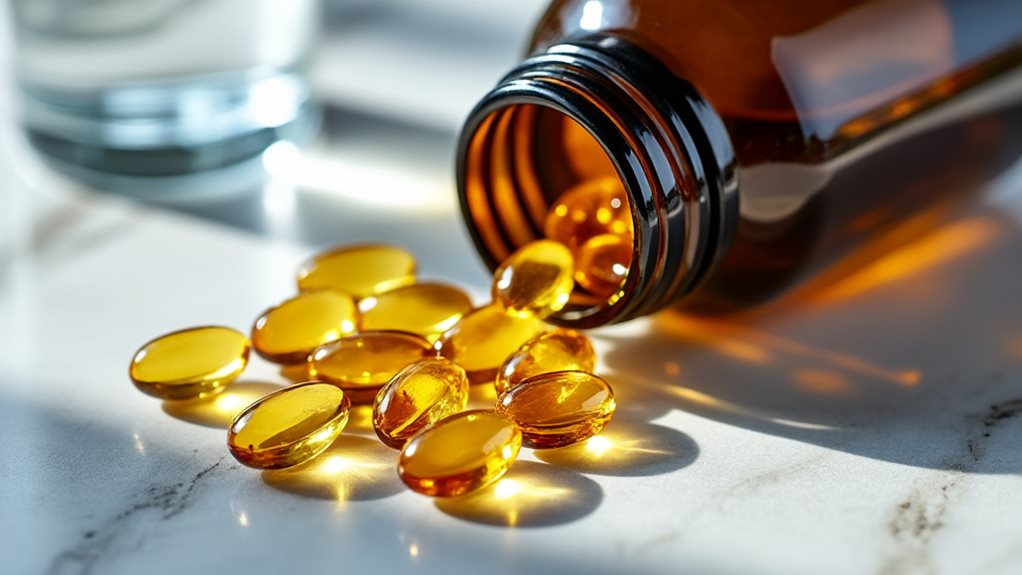
To make fish oil easier to tolerate, take it with a meal that contains healthy fat, such as avocado, nuts, seeds, or olive oil. You’ll absorb omega-3s better, and splitting doses between two meals can lower burping.
Stay upright after swallowing, choose an Enteric Coated Choice, and check Omega 3 Labeling for clear EPA and DHA amounts.
Ways to Reduce Fish Oil Side Effects
Fish oil side effects often improve with a few simple changes in how you choose, store, and take the supplement.
Use an enteric release strategy, or molecularly distilled softgels, take them with fat-containing meals, and start with a low dose for dose tolerance building.
Refrigerate capsules, avoid rancid products, and watch for bleeding risk with higher doses or anticoagulants.
Frequently Asked Questions
Can Fish Oil Cause Headaches or Dizziness?
Yes, fish oil can cause headaches or dizziness in some people, although trials don’t show a clear cause every time.
Higher doses, usually above 3 grams daily, may raise risk, and drug interactions with blood thinners or diabetes medicines can worsen symptoms.
For medication safety, you should review supplements with your clinician, watch for headache, light-headedness, or fainting, and stop use if symptoms persist or become severe.
Does Fish Oil Affect Blood Pressure?
Yes, fish oil can lower blood pressure a little, especially if you already have hypertension.
Studies show modest drops in systolic and diastolic readings, while people with normal pressure often see little change.
Fish Oil Interactions can affect other blood pressure medicines, and Heartburn Effects may occur alongside burping.
You should check with your clinician before using higher doses, because dose, product type, and your starting blood pressure all matter.
Is Fish Oil Safe for People With Acne?
Yes, fish oil’s safe for most people with acne, and it may lower inflammation and lesion counts.
Use Fish oil acne tips by checking dosage and timing, aiming for 1000 to 1500 mg daily, and choosing quality and purity near 70% to 90%.
Watch individual acne triggers, since poor-quality supplements or allergies can worsen skin.
You may need two to three months of consistent use before you see improvement.
Can Fish Oil Worsen Menstrual Bleeding?
Fish oil usually doesn’t worsen menstrual bleeding, and standard doses don’t increase blood loss during periods. Studies show omega-3s can reduce menstrual pain while leaving bleeding volume unchanged.
You may notice fish oil nausea or fish oil stomach upset, but those effects don’t mean heavier bleeding.
If you take more than 3 grams daily, your bleeding risk could rise slightly, so you should check with your clinician before increasing the dose.
Should Fish Oil Be Taken With Other Supplements?
Yes, you can take fish oil with other supplements, but you should check for interactions first.
Take Timing matters, because spacing doses can reduce stomach upset.
Avoiding Interactions is important with warfarin, aspirin, clopidogrel, ginkgo, or high-dose vitamin E, since bleeding can rise.
Monitor Dosage if you use more than 3 grams daily.
Choose Formulas carefully, and ask a clinician before pairing fish oil with blood-pressure or diabetes supplements.
And Finally
Fish oil can cause burping, stomach upset, heartburn, and, in some people, a higher bleeding risk. You can lower these side effects by taking it with meals, choosing enteric-coated capsules, and using a smaller dose at first. If you notice rash, swelling, trouble breathing, or severe digestive symptoms, stop taking it and get medical help. Omega-3 benefits matter, but you should choose the form and dose that fit your body best.
References
- https://resources.healthgrades.com/right-care/food-nutrition-and-diet/fish-oil-side-effects
- https://www.verywellhealth.com/fish-oil-side-effects-11945285
- https://www.drugs.com/sfx/fish-oil-side-effects.html
- https://www.boltpharmacy.co.uk/guide/fish-oil-side-effects
- https://www.healthline.com/nutrition/fish-oil-side-effects
- https://www.goodrx.com/well-being/supplements-herbs/fish-oil-and-bleeding
- https://www.drugs.com/sfx/a-fish-oil-side-effects.html
- https://www.medicinenet.com/who_should_not_take_fish_oil/article.htm
- https://www.webmd.com/vitamins/ai/ingredientmono-993/fish-oil
- https://www.merckmanuals.com/home/special-subjects/dietary-supplements-and-vitamins/fish-oil