If you’re vegan, algae oil is usually the best omega-3 choice because it provides DHA and EPA directly, without fish ingredients. Studies show it raises omega-3 levels about as well as fish oil, and it often has fewer digestive problems and no fishy aftertaste. It’s also cleaner, with less risk of mercury or PCBs, and more sustainable. Check the label for separate DHA and EPA amounts, then you can compare the details below.
Takeaways
- Algae oil is the best vegan omega-3 option because it provides direct DHA and EPA from microalgae.
- Fish oil is effective too, but it comes from marine animals, so it is not vegan.
- Studies show algae oil raises DHA and EPA similarly to fish oil when doses match.
- Algae oil is often cleaner and gentler, with no fishy aftertaste and lower concern for mercury or PCBs.
- For quality, choose products listing separate DHA and EPA amounts, plus third-party testing or batch CoAs.
Algae Oil Vs Fish Oil For Vegans

Algae oil gives vegans a direct source of the omega-3s DHA and EPA without using any animal ingredients.
You get microalgae sourcing that supplies pre-formed fats, while fish oil comes from animal tissue.
Clinical studies show similar DHA rise, and you avoid mercury and PCBs.
If taste preference matters, algae oil often works more easily in vegan routines than fish oil.
Algae may be more sustainable because microalgae are abundant, while fish supplies may not keep up with growing demand.
Why Algae Oil Is Vegan-Friendly
Algae oil stays plant-based, renewable, and free of animal byproducts, so you can meet omega-3 needs while keeping your diet consistent. Algal oil also provides DHA directly, which is important because vegans often have lower EPA and DHA blood levels than omnivores. In addition, using algae oil supports sustainable sourcing because it relies on marine microalgae rather than harvesting fish, aligning with ethical and environmental considerations.
Algae Oil Vs Fish Oil: Key Differences
You get vegan omega-3 from algae oil, while fish oil comes from marine fish that first ate microalgae.
Clinical trials show both sources raise EPA and DHA well, but algae oil often supplies more DHA, and fish oil usually provides more EPA.
Algae oil also offers a cleaner, more sustainable option, because it’s grown in controlled facilities and avoids many ocean pollutants. sustainability
Vegan Omega-3 Source
For vegans, algae oil is the only direct plant-based omega-3 source, because it comes from microalgae, the organisms that naturally produce EPA and DHA in aquatic food chains.
You get a vegan option without animal tissue, while fish oil comes from marine flesh.
Algae sustainability reduces land and water use, and avoids fish welfare impacts tied to harvesting.
It also suits allergies.
Bioavailability And Benefits
Although algae oil and fish oil come from different sources, studies show they deliver similar omega-3 bioavailability when doses match.
You’ll see comparable DHA and EPA levels in blood after four weeks, and algae oil often raises DHA as well as fish oil.
EPA driven dosing still matters for inflammation targets, and evidence shows Nanoemulsion absorption can improve outcomes when digestive uptake is low.
Sustainability And Purity
When sustainability and purity matter, algae oil stands out because it uses far less water, creates fewer emissions, and avoids pressure on marine ecosystems.
You get ocean safe sourcing, while fish oil depends on wild stocks, vessel fuel, and cold storage.
Algae farming recycles water, supports contaminant free verification, and keeps mercury, microplastics, and PCBs out of your omega-3.
Omega-3 Bioavailability Of Algae Oil

Algae oil delivers omega-3s in a form your body can absorb and use much like fish oil.
Your plasma DHA rises similarly, and a 2025 trial confirmed equivalent incorporation.
Metabolic DHA conversion stays low, so dose form guidance matters, and fat-containing meals enhance absorption.
Studies show statistical non-inferiority, with a 112% geometric mean ratio versus fish oil, for vegan omega-3 support. DHA incorporation
Health Benefits Of Algae Oil
A single algae oil supplement can support several key aspects of health, because it supplies the omega-3s DHA and EPA in a vegan form. You may support heart health, lower triglycerides, and help blood pressure. It can also reduce inflammation, ease joint pain, and support brain, eye, and pregnancy needs. Check Dosage considerations and Quality certification to match your needs safely. Triglyceride reduction is also influenced by the form and dose of omega-3s, and higher doses are typically required to see meaningful changes in lipid profiles.
Why Algae Oil Is Easier On Digestion
Algae oil is often gentler on the stomach and tends to cause fewer digestive issues than fish oil, making it a more comfortable option for many people. third-party purity testing ensures the product meets strict standards for heavy metals and oxidation, further supporting digestive tolerance and safety.
Gentle On The Gut
Because it’s grown under controlled conditions, algae oil usually avoids the marine contaminants that can make fish oil harder to tolerate.
You get better Digestive Comfort, and your stomach may handle this Vitamin Friendly Omega more easily.
Its structure supports efficient absorption, so your body uses more EPA and DHA.
Users also report fewer burps, less upset, and steadier gut balance.
No Fishy Aftertaste
Unlike fish oil, algae oil has no fishy odor or aftertaste, so it’s easier to swallow and easier to keep down.
You get cleaner heart healthy lipids, because microalgae don’t hold volatile seafood compounds.
Controlled cultivation improves supplement quality, and the plant-based extraction removes sour acids.
Studies show faster digestion, better absorption, and less nausea, so your omega-3 routine stays simple.
Cleaner Omega-3s
Algae oil delivers omega-3s in a cleaner form, since it’s grown in controlled, land-based tanks instead of harvested from contaminated oceans.
Mercury-free sourcing and sterile processing reduce bacteria exposure, while precise cultivation minimizes environmental contaminants and ensures consistent EPA and DHA levels. Cleaner omega-3 production supports a better flavor and fewer side effects, providing EPA and DHA without heavy refining or marine pollutants.
Algae Oil’s Sustainability Advantage
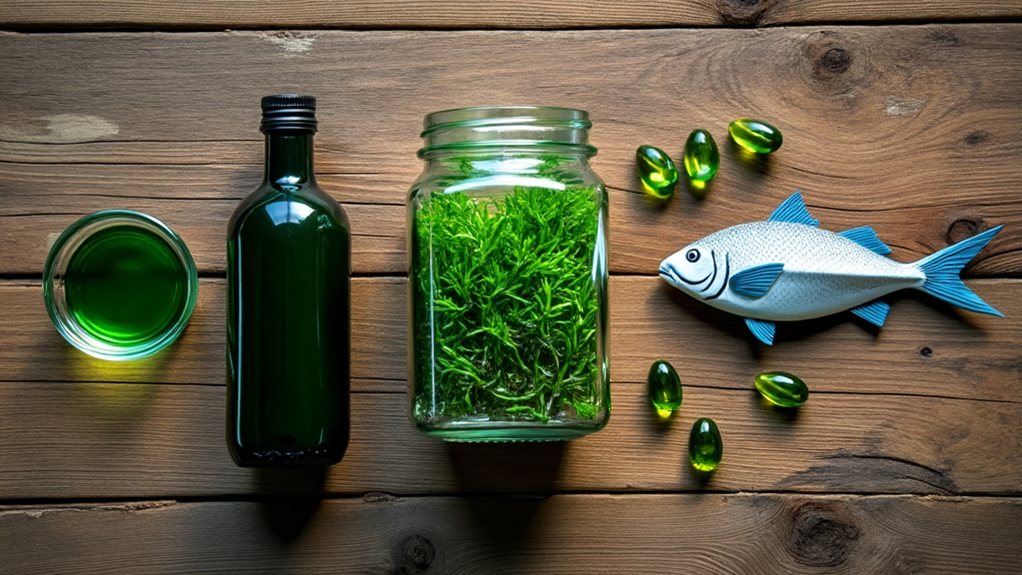
You get omega-3 from algae oil without adding pressure to wild fish stocks, so oceans keep more of their natural balance.
Algae cultivation also uses far less land and water than many fish oil supply chains, which lowers overall environmental impact.
Because it doesn’t depend on harvesting fish, algae oil avoids the ecosystem damage tied to overfishing.
In addition, studies on omega-3 intake have shown anti-inflammatory benefits that can emerge with consistent dosing over weeks to months, underscoring algae oil as a viable vegan source with potential health advantages when used as part of a balanced diet omega-3 supplementation
Lower Environmental Impact
When compared with fish oil, algae oil offers a lower environmental burden across major lifecycle measures. In contained cultivation, you can use Wastewater Nutrients, capture CO2 during growth, and cut land pressure sharply. Renewable energy further lowers warming impacts. You avoid runoff tied to aquaculture feed, and lifecycle studies show algae oil often leaves a smaller carbon footprint per kilogram.
No Fish Stock Pressure
Beyond its lower environmental footprint, algae oil also avoids the direct pressure that fish oil puts on marine fish stocks.
You get DHA and EPA without wild-caught harvests, bycatch, or feed demands that drain oceans.
Its cultivation scalability supports a stable supply, and closed-loop systems prevent stock loss, keeping biodiversity intact while reducing strain on phytoplankton-dependent fish and marine food webs.
Who Should Choose Algae Oil?
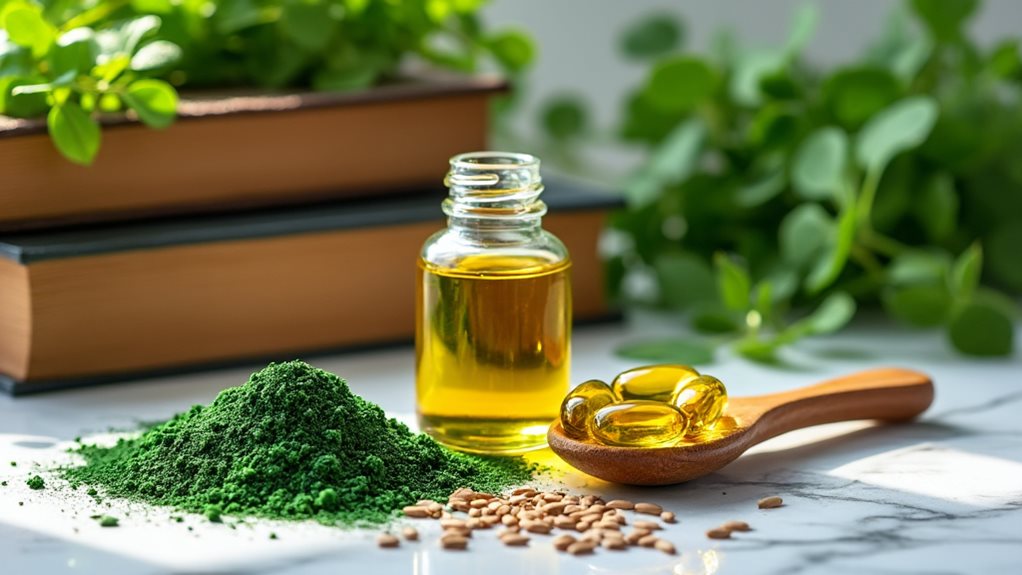
Who should choose algae oil? You should if you’re vegan, vegetarian, or avoid fish because of allergies, since it gives preformed DHA and EPA without marine animals.
It also offers kidney friendly omega 3s, plus algae sourcing reassurance, for safer intake.
Clinical trials show absorption matches fish oil, and microalgae cultivation supports lower-impact, contaminant-free supplementation for your omega-3 needs.
How To Choose A Quality Algae Oil
To choose a quality algae oil, start with the Supplement Facts panel and confirm it lists DHA and EPA separately, not just a vague total omega-3 amount.
You should verify at least 250 mg combined, then use labeling verification and third party testing to confirm potency.
Look for batch Certificates of Analysis, NSF, Informed Choice, or IFAS seals, and reject unclear, untested products.
Frequently Asked Questions
Does Algae Oil Provide Enough EPA and DHA for Strict Vegans?
Yes, you do get enough EPA and DHA from algae oil if you choose a proper Algae Oil Dosage. Most strict vegan formulas give 200–500 mg DHA, plus varying EPA, which can meet daily needs.
Blood Omega Response studies show algae oil raises DHA in blood as well as fish oil, so your omega-3 status improves.
Use a product that lists both EPA and DHA, and follow the serving instructions consistently.
Can Algae Oil Replace Fish Oil for Pregnancy Omega-3 Needs?
Yes, algae oil can replace fish oil for pregnancy omega-3 needs when you choose a product with enough DHA and EPA.
You should follow pregnancy dosage targets of 350–450 mg daily, and higher-risk cases may need 600–1000 mg with doctor guidance.
Algae oil gives bioavailable omega-3s, avoids mercury and ocean contaminants, and suits vegan diets.
It may provide less EPA, so your provider should review your total intake.
How Does Algae Oil Compare to Fish Oil for Lowering Triglycerides?
You can expect algae oil to lower triglycerides about as well as fish oil, because studies show similar DHA and EPA effects.
For LDL versus TG, both supplements mainly target TG, while LDL may change less or even rise slightly in some people.
You should see dose response clarity at 2,000 to 4,000 mg daily, where TG often fall 20% to 30%, with comparable results from algae oil and fish oil.
Is Algae Oil Safer Than Fish Oil in Terms of Contaminants?
Yes, algae oil’s cleaner because controlled cultivation avoids ocean pollutants.
You face less Heavy metal risk, and Testing purification helps confirm low mercury, PCB, dioxin, and microplastic levels.
Fish oil can carry contaminants from polluted waters, bioaccumulation in fish, and industrial byproducts, which raise exposure.
Algae oil still gives EPA and DHA, so you get omega-3 support with fewer unwanted substances and a more predictable purity profile.
What Should I Look for When Buying a Vegan Algae Oil Supplement?
Look for clear DHA EPA Concentration, with 250 to 500 mg combined per serving, because that supports effective intake.
Check Third Party Testing from IFOS, USP, NSF, or ConsumerLab, and request batch-specific Purity Verification, including heavy metals and oxidation results.
Choose triglyceride or phospholipid forms, since they absorb better.
Prefer vegan capsules, sustainable microalgae sourcing, and a Certificate of Analysis, so you confirm quality, safety, and label accuracy.
And Finally
Algae oil gives you a vegan source of omega-3s without relying on fish. It delivers EPA and DHA in a form your body can use, and it often provides fewer contaminants than fish oil. You should choose a quality product with clear EPA and DHA amounts, third-party testing, and proper storage. If you want a plant-based omega-3, algae oil offers a clean, sustainable option that supports your health and fits vegan diets.
References
- https://www.verywellhealth.com/algae-oil-vs-fish-oil-11784334
- https://niahealth.co/blog/posts/fish-oil-vs-algae-oil-which-omega-3-is-better-for-you
- https://superpower.com/guides/omega3-fish-vs-algae
- https://www.fitandwell.com/features/algae-oil-vs-fish-oil
- https://pmc.ncbi.nlm.nih.gov/articles/PMC12524788/
- https://www.lifeextension.com/wellness/superfoods/algae-oil-vs-fish-oil
- https://www.mindbyte.com/blogs/news/bioequivalence-of-algae-oil-and-fish-oil
- https://www.drvegan.com/blogs/articles/why-algae-omega-3-is-better-than-fish-oil-1
- https://revivenutrition.com.sg/guides/omega-3-supplements-comparison
- https://omegaquant.com/algal-oil-vs-fish-oil/