Probiotics can cause bloating because they alter gut microbes and fermentation processes, especially when starting at high doses or with sensitive digestion. This may lead to increased gas, lasting from a few days to two weeks, depending on individual factors. Factors such as strain type, dose, diet, and existing gut conditions influence the risk. Adjusting the dose, selecting specific strains, or reducing fermentable foods can help. Continuing with proper management may improve tolerance, and further details clarify how to address persistent symptoms.
Takeaways
- Probiotics can cause initial bloating due to gut microbe shifts and increased fermentation, especially with high doses or sensitive digestion.
- Bloating usually subsides within days to weeks as the gut adjusts, but individual responses vary.
- Managing intake, lowering doses, and choosing specific strains can reduce bloating and improve tolerance.
- Tracking symptoms helps identify tolerable doses and effective strains, minimizing discomfort over time.
- Seek medical advice if bloating persists beyond a week, worsens, or if severe symptoms or additional issues occur.
Do Probiotics Really Cause Bloating? The Quick Answer

Probiotics can cause bloating, especially when you first start taking them, use high doses, or have sensitive digestion.
Many probiotic myths suggest they always improve gut flora without side effects, but temporary bloating is common initially. This reaction varies by strain, dose, and individual response and usually subsides within a few days to weeks. Certain strains may be more prone to causing gas and bloating, depending on their specific properties.
New evidence shows that bloating is more likely when introducing probiotics that alter gas production by certain gut bacteria, and starting with lower doses can help many people adjust more comfortably. Dosing strategies such as starting with a small amount and increasing gradually may reduce initial bloating for sensitive individuals.
How Do Probiotics Affect Gut Microbes and Gas Production
Introducing probiotics can lead to changes in the composition of your gut microbes by competing for nutrients, producing substances that promote or inhibit specific bacteria, and influencing immune responses within the intestines. These microbial competition and shifts in fermentation patterns can alter gas production, as new strains change how microbes process carbohydrates. This can temporarily increase gases like hydrogen, methane, and carbon dioxide. Probiotic survival through the digestive tract can be influenced by whether they are taken with meals or on an empty stomach, which may affect their ability to reach the intestines intact. Probiotic survival in the digestive tract can depend on meal timing and formulation, impacting how effectively they interact with resident microbes and gas production.
Why Do Some People Experience Bloating When Starting Probiotics?
When you start taking probiotics, your gut may need time to adjust to the new microbes, which can cause bloating and gas. A changing gut microbiome affects microbial activity and the production of digestive enzymes. A sudden increase in probiotic doses or fermentable fibers can overwhelm digestion, leading to temporary symptoms as your body adapts. Probiotics can interact with existing gut flora and immune responses, potentially influencing gas production and motility gut microbiome balance.
Which Probiotic Strains Are More Likely to Cause Gas and Bloating?

Certain probiotic strains are more likely to cause gas and bloating, especially during the initial stages of supplementation. Strains like Bifidobacterium lactis Bi-07 and multi-strain formulas may increase short-term bloating due to more microbes and fermentable ingredients.
Strain selection matters for bloating symptom management, as specific strains such as Lactobacillus plantarum 299v and Bifidobacterium longum 35624 are linked to reduced gas.
Refrigerated products can differ in viability, but shelf-stable options may still deliver effective colony-forming units if properly stored and labeled, so practicality and storage integrity matter. Probiotic viability is a key factor, and choosing a product with evidence of sustained viable counts through shelf life can influence outcomes.
What Factors Increase Your Risk of Bloating From Probiotics?
Several factors can increase your risk of experiencing bloating from probiotics, especially if you don’t introduce them carefully.
Dietary triggers like high-carbohydrate foods, fermentable fibers, and carbonated drinks can worsen symptoms.
Strain selection matters, as certain strains and doses may cause more gas, particularly in sensitive individuals or those with underlying gut conditions like IBS or SIBO.
Probiotics may show benefits at varying rates, but for bloating specifically, noticeable improvements or changes can take several days to weeks as your gut microbiome adapts. Evidence on probiotic timelines
Can Certain Probiotics Help Reduce Bloating?
Certain probiotic strains have shown the most evidence for reducing bloating, especially in people with digestive conditions like IBS.
Due to probiotic diversity and strain specificity, benefits vary by microorganism.
Strains such as Lactobacillus plantarum 299v and Bifidobacterium infantis 35624 have demonstrated improvements in bloating, but effectiveness depends on selecting the right strain for individual needs.
New research highlights the gut-brain axis role in how these strains may influence satiety and discomfort through gut signaling microbiome interactions and how individual responses can vary.
How Can You Tell If Your Probiotics Are Making Bloating Worse?
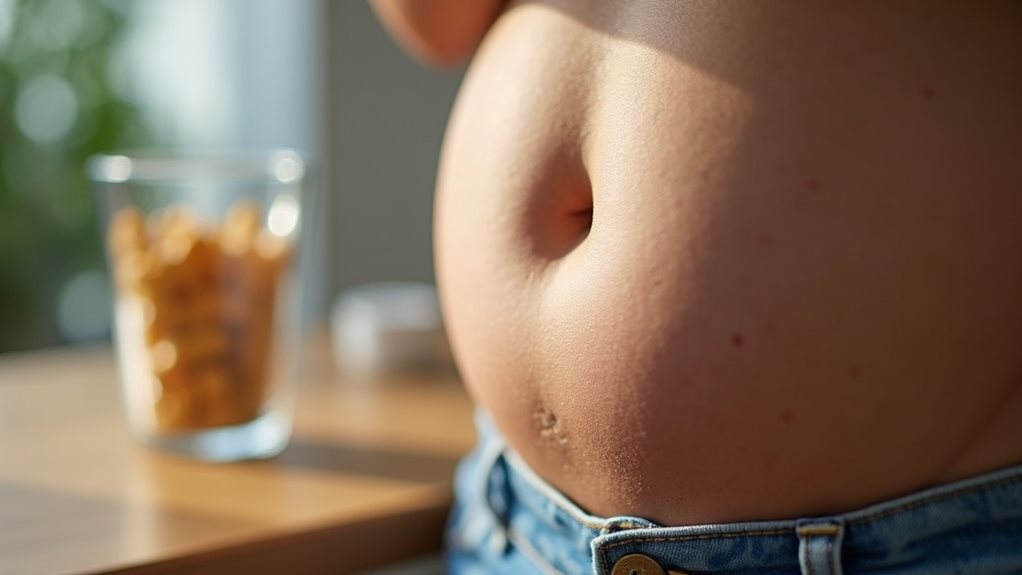
Identifying whether your probiotics are worsening bloating involves paying close attention to timing and symptom patterns. Symptoms that begin soon after starting, such as increased gas or bloating, suggest a product-related effect.
Changes in gut motility caused by dietary fiber or probiotic strains can worsen discomfort if symptoms persist beyond the adjustment period, indicating a potential mismatch.
Probiotics may affect digestion differently depending on the strains and the fiber content in your diet, so gradual changes and monitoring are important. gut motility
How to Reduce Bloating When Taking Probiotics
To reduce bloating when taking probiotics, start with a lower dose to allow your gut microbiome to gradually adapt. This supports probiotic safety and minimizes discomfort. Take probiotics with food to buffer gas production. Choose strains proven to reduce bloating like Bifidobacterium lactis. Maintain hydration. Track symptoms during a 1–2 week trial to identify tolerable doses and effective strains. Regular use of probiotics that align with your body’s needs can help manage tolerance and support digestive comfort. Lactobacillus vs. Bifidobacterium
When Should You Stop or Adjust Your Probiotic Supplement?
Knowing when to stop or adjust your probiotic supplement is important to avoid potential health risks and guarantee maximum benefits.
Signs of probiotic safety issues include allergic reactions, worsening digestive discomfort like bloating, gas, or pain, persistent symptoms after dose reduction, or new severe symptoms.
Discontinue immediately if infections or severe reactions occur, and seek medical advice.
How Long Does Bloating Usually Last After Starting Probiotics?

Bloating after starting probiotics typically lasts between three and fourteen days, with most people seeing improvement within one to two weeks.
Factors like probiotic strain, dose, prebiotic content, and individual gut sensitivity can influence how long symptoms persist.
Persistent bloating beyond this period may indicate the need to reassess the probiotic formulation or underlying health conditions.
Typical Bloating Duration
When you start taking probiotics, it’s common to experience temporary bloating as your gut adjusts to the new bacteria. This usually lasts between 3–14 days, reflecting microbial adjustment, fermentation, and gas production from dietary fiber interacting with gut flora.
Most symptoms diminish within 1–2 weeks, indicating the microbiome is stabilizing, but duration can vary based on individual gut sensitivity.
Factors Influencing Recovery
Various factors influence how long bloating lasts after starting probiotics, primarily related to how your microbiome diversity adjusts to new bacteria.
Dietary triggers, such as gas-forming foods and high-fiber meals, can prolong symptoms.
Additionally, probiotic formulation, individual gut sensitivity, and prebiotic content affect recovery time, with symptoms often resolving within a few days to weeks if these factors are managed appropriately.
When to Seek Medical Advice for Persistent or Severe Bloating?

Persistent or severe bloating requires prompt medical attention because it can indicate underlying health issues that need diagnosis and treatment.
Seek care if bloating lasts more than a week, is very painful, or is accompanied by symptoms like vomiting or blood in stool.
In such cases, diet considerations and alternative treatments are insufficient; professional evaluation guarantees proper diagnosis and management.
Can You Still Benefit From Probiotics If They Cause Bloating? Tips for Comfort
Adjusting the probiotic dosage gradually helps reduce bloating by allowing the gut to adapt more comfortably.
Choosing specific strains, such as Bifidobacterium or Lactobacillus, can target bloating more effectively while minimizing adverse effects.
Minimizing gas triggers, like avoiding high-gas foods and taking probiotics with light meals, further decreases discomfort during the adjustment period.
Adjust Dosage Gradually
Starting with a lower dose of probiotics can help minimize early bloating because the gut microbiome needs time to adjust to new bacteria.
Gradually increasing the dose allows your digestive sensitivity to adapt, supporting microbiome diversity without causing discomfort.
This slow approach helps prevent symptoms from worsening and promotes better tolerance, especially for those with sensitive digestion.
Choose Specific Strains
Certain probiotic strains can still provide benefits even if they initially cause bloating or gas.
Selecting strains like Lactobacillus plantarum, Bifidobacterium lactis, or Bacillus coagulans supports probiotic stability and enhances gut flora diversity.
Different strains target specific bloating patterns and conditions, making careful strain choice essential for maximizing benefits while minimizing discomfort during the adjustment period.
Minimize Gas Triggers
To reduce gas triggers that can worsen bloating during probiotic use, it’s important to identify and limit certain common factors.
Diet modifications, such as avoiding high-FODMAP foods, sugar alcohols, and carbonated drinks, can decrease fermentation.
Managing gut motility through regular meals and hydration prevents excessive gas buildup, helping to improve comfort during probiotic adjustment.
Frequently Asked Questions
Can Probiotics Cause Bloating in People Without Digestive Issues?
Probiotic strains can cause bloating in people without digestive issues because introducing new microbes alters gut bacteria. This can lead to increased fermentation of fibers and prebiotics.
This process produces gas, resulting in digestive discomfort. Higher doses, certain strains, or added prebiotics can intensify symptoms.
Although usually temporary, these effects typically resolve within a few days to weeks as your gut adjusts. If symptoms persist, reducing dosage or switching strains is recommended.
Are Certain Foods Better Tolerated When Starting Probiotics?
Certain foods are better tolerated when starting probiotics because they support gut flora adaptation and minimize food sensitivity reactions.
Low-FODMAP foods reduce fermentable carbohydrates, decreasing gas and bloating.
Light, simple, minimally processed foods are easier to digest and less likely to cause discomfort.
Avoid high-fiber, cruciferous vegetables, beans, and carbonated drinks initially, as they can trigger excessive fermentation, worsening symptoms related to food sensitivity and disrupting gut flora balance.
How Quickly Do Probiotic-Related Bloating Symptoms Typically Appear?
Probiotic-related bloating symptoms typically appear within the first few days, often within 3 to 14 days of starting. This occurs as the gut microbiota adjusts to the new bacteria, correcting bacterial imbalance.
The timing may vary based on dose, strain, and individual gut sensitivity.
Early bloating indicates the microbiome is reacting, and most symptoms resolve within two weeks as the gut stabilizes and adapts to the probiotics.
Can Combining Probiotics With Prebiotics Increase Bloating Risk?
Combining probiotics with prebiotics can increase bloating risk because strain specificity affects how your gut responds. Higher dosage considerations can also lead to more fermentation.
Prebiotics fuel gut microbes, producing additional gas, which can cause bloating.
Using a low dose initially and choosing strains suitable for your condition helps reduce this risk.
Proper management of strain selection and dosage considerations minimizes the likelihood of increased bloating when combining probiotics and prebiotics.
Are There Natural Remedies to Reduce Probiotic-Induced Bloating?
Herbal teas like peppermint, chamomile, or fennel can soothe the digestive system and reduce bloating caused by probiotics.
Digestive enzymes break down food more efficiently, decreasing gas production.
Consuming these remedies regularly may improve symptoms, but individual responses vary.
It’s important to monitor your body’s reactions and consult a healthcare professional if bloating persists or worsens, ensuring proper management of digestive discomfort.
And Finally
If probiotics cause bloating, it’s often due to changes in gut bacteria that increase gas production. Factors like strain type, dosage, and individual gut sensitivity influence severity. Adjusting the probiotic type, reducing the dose, or stopping temporarily can help reduce symptoms. Bloating typically resolves within a few days or weeks, but persistent or severe cases require medical advice. You can still benefit from probiotics by choosing appropriate strains and monitoring your body’s response.
References
- https://www.healthline.com/health/digestive-health/probiotics-bloating
- https://my.clevelandclinic.org/health/treatments/14598-probiotics
- https://ubiehealth.com/doctors-note/probiotics-gut-flare-causes-medical-steps-47-guide23e2
- https://www.vsl3.com/blogs/news/probiotics-for-gas
- https://www.healthline.com/nutrition/probiotics-side-effects
- https://ubiehealth.com/doctors-note/bloating-starting-probiotics-why-cause-bloating-4242e1
- https://jagwire.augusta.edu/probiotic-use-is-a-link-between-brain-fogginess-severe-bloating/
- https://www.medicalnewstoday.com/articles/323821
- https://www.healio.com/news/gastroenterology/20180808/probiotics-linked-to-brain-fog-severe-abdominal-bloating
- https://www.tinyhealth.com/blog/do-probiotics-help-with-bloating