Lactobacillus strains tolerate oxygen better, supporting small intestine health and fiber metabolism, while Bifidobacterium strains thrive in the colon, aiding digestion and reducing symptoms like lactose intolerance. Both improve gut microbiome diversity, but they target different areas and functions. For immune support and inflammation control, specific strains like Bifidobacterium longum or Lactobacillus reuteri are effective. Choosing the right probiotic depends on your health goals—continuing will reveal how to select strains that meet your needs.
Takeaways
- Lactobacillus is better suited for small intestine health and fiber metabolism, while Bifidobacterium primarily supports colon health and lactose intolerance.
- Choose Lactobacillus if you want improved gut barrier function and small intestinal support; opt for Bifidobacterium for overall colon health.
- Bifidobacterium offers greater strain diversity for targeted immune and anti-inflammatory benefits; Lactobacillus is more oxygen-tolerant and stable during storage.
- For digestive issues like constipation, combining both strains provides broader gut health support.
- Select strains based on your specific health goals, ensuring proper strain identification, viability, and clinical evidence.
What Are Lactobacillus and Bifidobacterium? Key Differences Explained
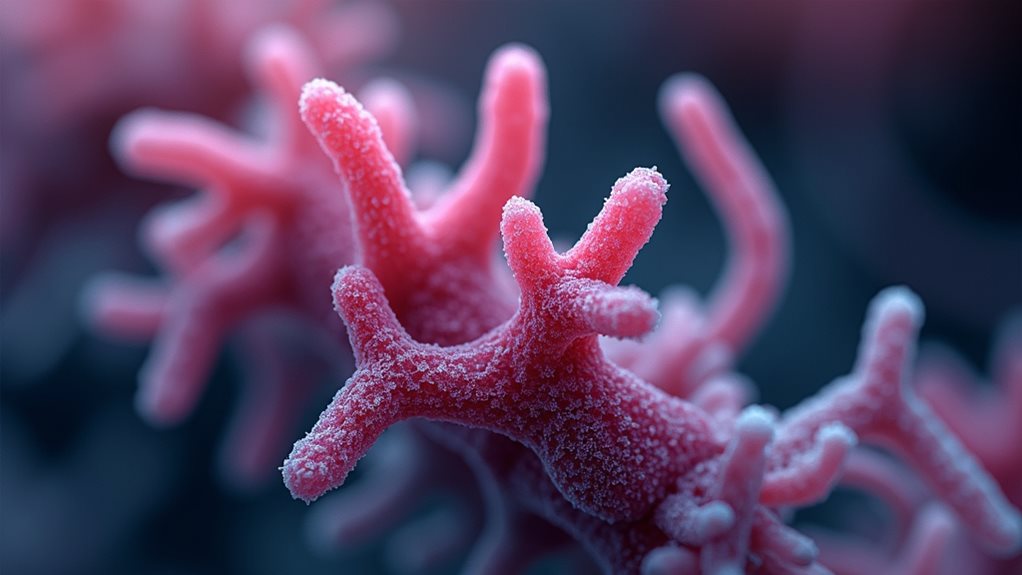
Lactobacillus and Bifidobacterium are two common types of probiotic bacteria used in dietary supplements and functional foods. They differ in probiotic resistance, with Lactobacillus tolerating oxygen better. This oxygen tolerance is a practical advantage because it can influence product stability and storage conditions, which may affect how and where they are used in formulations. They also differ in strain diversity, which influences their specific effects. Both are important parts of the normal microbiota, but their taxonomic differences and metabolic capabilities distinguish their roles. Lactobacillus and Bifidobacterium contribute differently to gut health through distinct metabolic pathways and interactions with the host.
How Do Probiotics Support Digestive Health and Bowel Regularity
Probiotics support digestive health and bowel regularity by introducing beneficial microorganisms that enhance microbial diversity and stabilize the gut microbiome. These microorganisms help ferment dietary fibers, produce short-chain fatty acids, and strengthen the intestinal barrier. Colonization begins immediately after birth, contributing to early gut health development. As a result, they improve colon function, promote stool passage, and may alleviate constipation, contributing to overall gut health. A growing body of evidence suggests that specific probiotic strains can reduce bloating in some individuals, though results vary by strain and baseline gut composition. Short-chain fatty acids produced by these microbes play a key role in supporting gut motility and inflammation control, which can influence bowel regularity and comfort.
Which Strains Are Best for Immune Boosting and Inflammation Control?
Certain probiotic strains have been identified as particularly effective for immune strengthening and inflammation control. Bifidobacterium longum, Bifidobacterium breve, and Bifidobacterium bifidum support immune balance through anti-inflammatory activity.
Meanwhile, Lactobacillus reuteri enhances immune response and reduces inflammation.
Probiotic collaboration and strain personalization optimize benefits, targeting specific immune and inflammation outcomes based on individual needs. Immune support
What Are the Proven Benefits of Lactobacillus and Bifidobacterium for Children and Adults

Both Lactobacillus and Bifidobacterium offer well-supported benefits for children and adults, backed by extensive clinical research.
Probiotic safety varies depending on individual health conditions, but these strains generally pose low risks.
Strain diversity influences specific effects, such as reducing diarrhea, supporting gut health, and preventing infections, making them effective options for targeted health benefits.
A growing body of evidence also suggests that certain strains may impact mood and anxiety by influencing the gut-brain axis, which can be relevant for overall mental well-being. gut-brain axis
How to Choose the Right Probiotic for Your Health Goals
Choosing the right probiotic depends on matching specific strains to your health goals, as effects are strain-specific rather than genus-wide.
For example, Lactobacillus supports small intestine health, while Bifidobacterium benefits the colon. Selecting the correct strain guarantees targeted results.
Additionally, product quality factors like strain identification, viable bacteria count, and evidence from human studies influence the effectiveness of your probiotic choice.
A key practical consideration is that the effectiveness of shelf-stable versus refrigerated probiotics can depend on storage and formulation, not just the label. strain identification helps ensure you’re getting the purported species and strain for your targeted outcome.
Targeted Strain Benefits
How do you determine which probiotic strain best matches your health goals? Consider strain stability, as it affects the probiotic’s effectiveness over time.
And probiotic shelf life, which impacts potency during storage.
Strain-specific benefits, such as immune support or digestive aid, guide your choice, ensuring the supplement maintains its intended benefits throughout its shelf life.
Condition-Specific Selection
Selecting the appropriate probiotic depends on understanding your specific health goals, as different strains offer targeted benefits.
Condition-specific selection considers probiotic manufacturing processes and regulatory standards, which guarantee strain accuracy and product quality.
For diarrhea, strains like Lactobacillus rhamnosus GG are effective, while Bifidobacterium strains support IBS.
Accurate strain identification guides effective, safe probiotic choices.
Why Strain Differences Matter in Probiotics
Strain differences are crucial because they determine the specific health effects of probiotics. Accurate strain identification guarantees probiotic safety and effectiveness, as different strains produce varied metabolic outputs and target distinct gut regions. The stability of these effects depends on proper labeling and verified strain data, which helps ensure you get the benefits demonstrated in research. strain-specific effects
When Should You Use Lactobacillus, Bifidobacterium, or Both?
Lactobacillus benefits colon support, fiber metabolism, and infant gut development.
Combining both strains provides broader protection, especially for gut health and inflammatory conditions, since they serve different functions. GABA NMDA balancing effects can support mood and stress-related gut-brain interactions, which may be relevant for overall gut health in perimenopausal contexts.
Suitable for Lactose Intolerance
When managing lactose intolerance, selecting the right probiotic depends on your symptoms and dietary goals.
Lactobacillus strains, such as L. acidophilus and L. reuteri, improve lactose digestion, with probiotic stability varying across strains.
Bifidobacterium strains like B. longum reduce abdominal discomfort.
Strain variability influences effectiveness, so choosing specific strains customized to your needs guarantees ideal symptom relief.
Ideal for Inflammatory Support
Choosing the right probiotic for inflammatory support depends on your specific condition and treatment goals.
*Lactobacillus* strains are often used for anti-inflammatory effects, supporting immune regulation and gut barrier strength.
*Bifidobacterium* strains reduce inflammatory markers, especially before or during active inflammation.
Combining both strains may improve gut function, lower systemic inflammation, and enhance strain compatibility for all-encompassing inflammatory support.
What to Look for in Quality Probiotic Supplements and How to Store Them Properly
To guarantee a probiotic supplement is effective, it’s essential to evaluate several key factors. Check for full strain identification, CFU count, storage instructions, and third-party testing.
Proper storage maintains probiotic viability by protecting against heat and moisture.
Selecting strains with human trial data optimizes benefits for your gut microbiome, ensuring probiotic fermentation supports your health goals.
Additionally, consider the specific sleep-related or stress-related effects demonstrated in trials when choosing probiotics for overall well-being strain-specific evidence and how these findings translate to daily use.
Common Myths About Lactobacillus and Bifidobacterium Debunked

Many people assume all probiotics work the same way, but this isn’t accurate. The probiotic shelf life depends on strain, storage considerations, and product formulation, which affect viability.
Proper storage maintains effectiveness, while misjudging shelf life can reduce benefits.
Selecting products with clear strain identification and understanding storage needs guarantees probiotic potency and ideal results.
Practical Tips for Incorporating Probiotics Into Your Daily Routine
Incorporating probiotics into your daily routine requires attention to timing and consistency to guarantee maximum benefits.
Addressing probiotic myths, taking supplements with meals like breakfast supports gut flora health and improves survival.
Follow product labels for dosage, avoid acidic foods simultaneously, and space antibiotic use by 2–3 hours.
Proper storage and daily cues help maintain effective probiotic levels.
Summary: Find the Right Probiotic Strain for Your Needs and Why It Matters
Choosing the right probiotic strain depends on understanding their specific benefits, as effects vary by strain, dosage, and intended use.
Selecting strains targeted to your condition, such as fiber digestion or immune support, improves effectiveness.
Ensuring product quality and proper dosage is essential for achieving consistent and reliable results.
Strain-Specific Benefits
Since probiotic benefits vary considerably between strains, selecting the right one depends on understanding strain-specific effects.
Accurate strain labeling guarantees you identify the exact strain, which is vital because different strains have distinct functions, such as immune modulation or antimicrobial activity.
Probiotic shelf life affects viability, making it necessary to choose products that maintain strain potency throughout their use.
Condition-Targeted Selection
How do you select the most effective probiotic strain for specific health conditions? Focus on probiotic stability, ensuring the strain remains active in the gut.
Consider strain diversity, which allows targeted effects like immune modulation or digestive support. Matching strains to conditions improves outcomes, as specific effects depend on strain characteristics, host response, and the probiotic’s ability to embark on and function in the gastrointestinal environment.
Quality and Dosage
Product quality plays a critical role in the effectiveness of probiotics, as the live microorganisms must remain viable through shelf life and consumption. Factors such as probiotic shelf life, storage conditions, strain purity, and expiration date influence viability.
Ensuring proper storage helps maintain strain-specific potency, preventing reductions in live bacteria that could compromise the probiotic’s benefits.
Frequently Asked Questions
Can Lactobacillus and Bifidobacterium Be Used Together Safely?
Lactobacillus and Bifidobacterium can be used together safely when strain compatibility is confirmed, as combination products are generally considered safe for most healthy individuals.
The synergistic effects of these strains improve gut health, immune function, and pathogen resistance.
However, caution is advised for immunosuppressed persons or those with underlying health issues, since rare infections or adverse reactions may occur, especially if doses are excessive or strains are incompatible.
Are Certain Strains More Effective for Specific Health Conditions?
Certain strains are more effective for specific health conditions due to strain specificity, enabling targeted therapy.
For example, Lactobacillus rhamnosus GG effectively reduces infectious diarrhea, while Saccharomyces boulardii also benefits gastrointestinal health.
Bifidobacterium longum can help with antibiotic-associated diarrhea.
Using the appropriate strain for a condition increases treatment success, as different strains produce unique effects, making strain-specific probiotics essential for precise health management.
How Long Does It Take to See Probiotic Benefits?
You can typically see probiotic benefits within 1 to 4 weeks, depending on your condition. Adequate probiotic dosage, generally 5 billion CFU or higher, and diverse strains influence how quickly effects emerge.
For digestive issues like bloating or diarrhea, improvements may occur sooner, often within days to a couple of weeks.
While broader health benefits, such as immune support, usually take longer, often requiring at least 8 weeks of consistent use.
Do Probiotic Strains Vary in Shelf Life and Stability?
Probiotic strains vary markedly in shelf life and stability, influenced by strain durability and storage requirements. Some strains, like *B. animalis* and *L. rhamnosus* GG, are more stress-resistant, maintaining viability longer under adverse conditions.
Proper storage, such as refrigeration or protected packaging, enhances stability, especially for less resilient strains like Lactobacillus and Bifidobacterium. Without appropriate storage, viability declines faster, reducing potential health benefits.
Are There Any Side Effects or Risks Associated With Specific Strains?
Strain safety varies, and adverse reactions depend on the specific probiotic strain used. Some strains may cause minor gastrointestinal symptoms like gas, bloating, or soft stools, especially initially.
Rarely, certain strains can lead to serious risks such as infections or bacteremia, primarily in immunocompromised individuals.
Always consider strain-specific safety data, especially if you’re at higher risk, and consult healthcare providers before use to minimize adverse reactions.
And Finally
Choosing the appropriate probiotic strain depends on your specific health needs, whether improving digestion, supporting immunity, or reducing inflammation. Lactobacillus and Bifidobacterium each offer distinct benefits, and selecting high-quality supplements guarantees efficacy and safety. Proper storage and consistency optimize results. Understanding the differences and scientific evidence behind these strains enables you to make informed decisions, helping you achieve your health goals effectively and safely through targeted probiotic use.
References
- https://pmc.ncbi.nlm.nih.gov/articles/PMC4818210/
- https://www.mygenefood.com/blog/bifidobacterium-vs-lactobacillus-strains/
- https://mymodernmedicine.com/bifidobacteria-vs-lactobacillus/
- https://pmc.ncbi.nlm.nih.gov/articles/PMC12563946/
- https://pmc.ncbi.nlm.nih.gov/articles/PMC3324989/
- https://www.nutritionaloutlook.com/view/popular-probiotics-the-latest-on-lactobacilli-and-bifidobacteria
- https://www.mindbodygreen.com/articles/guide-to-most-common-probiotic-strains-and-what-they-do
- https://scienceinsights.org/lactobacillus-vs-bifidobacterium-whats-the-difference/
- https://biologyinsights.com/lactobacillus-vs-bifidobacterium-key-differences/
- https://redbcm.com/en/lactobacillus-vs-bifidobacterium/