For most women, creatine monohydrate is the better choice because it has the strongest research, the lowest cost, and proven benefits for strength, power, and lean mass. Creatine HCl does not show better results, though it may cause less stomach upset for sensitive users. Both forms can support training, but monohydrate gives you the best value and the most reliable evidence. If you keep going, you’ll see how to use it for the best results.
Takeaways
- Creatine monohydrate is usually the best choice for women because it has the strongest research and lowest cost.
- Creatine HCl does not show better strength, power, or muscle gains than monohydrate in women.
- Both forms can improve performance and lean mass when taken consistently at recommended doses.
- Monohydrate may cause more bloating in some people, while HCl may feel easier on sensitive stomachs.
- For most women, 3–5 grams daily of monohydrate offers the best value and proven results.
Which Creatine Is Better for Women?
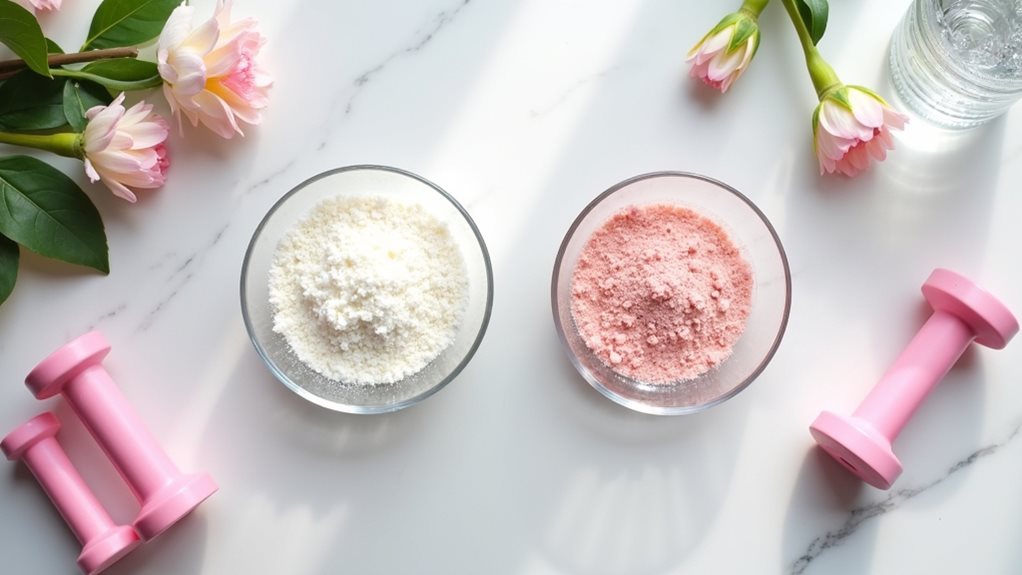
For women, creatine monohydrate is the better-supported choice because it has the strongest research base and the lowest cost.
You get proven gains in strength, power, and lean mass, while HCl offers no superior results.
Taste Preference and Mixability Tips may favor HCl, since it dissolves better and feels smoother.
Still, monohydrate remains effective, widely studied, and cheaper for daily use.
Monohydrate remains gold-standard for muscle creatine saturation and performance, with no proven advantage for HCl.
Creatine Monohydrate vs. HCl for Women
Creatine Monohydrate vs Creatine HCl: Which Is Better for Women?
Creatine Monohydrate vs. HCl for Women
When comparing creatine monohydrate and HCl for women, monohydrate remains the better-supported option because it has far more human research, including over 500 studies on strength, power, and lean mass.
You can use either form safely, but monohydrate has stronger evidence for results.
Timing strategies matter less than daily consistency adherence, and HCl hasn’t shown superior saturation or performance. Creatine monohydrate is also the form most dietitians recommend because it has the most research and clinical trials. long-term evidence
Does Creatine Make Women Look Bulky?
Creatine doesn’t make you look bulky, because it mainly increases water inside your muscle cells, which can add a small amount of scale weight.
Additionally, creatine tends to improve training performance and strength, which can support more productive workouts without inherently causing rapid, excessive muscle growth. water retention in muscles
Water Weight, Not Bulk
Despite the quick scale increase some women notice, creatine mainly draws water into muscle cells, not body fat.
You may gain 1 to 3 pounds early on, but that’s fluid distribution, not bulk.
Proper hydration helps maintain electrolyte balance and limits puffiness.
The change usually fades when you stop supplementation, and studies show no masculinization or excessive size in women.
Strength Without Size
For most women, creatine improves strength without creating a bulky look, because the early weight change comes from water inside muscle cells, not added fat or dramatic size.
You can expect better lifts, not big mass, since lower testosterone limits rapid growth.
Electrolyte Management supports this shift, and Recovery Optimization helps training.
Most studies show lean gains, stable body fat, and no visible bulk.
Muscle Tone Explained
A common concern is whether creatine makes women look bulky, but the evidence shows it does not.
Creatine draws water into your muscle cells, so you may see firmer tone, not puffiness.
With resistance training, Protein intake alignment, and recovery nutrition basics, you can build definition.
Creatine supports harder workouts, and studies show no bulky effect in women using either form.
Women’s Strength and Muscle Gains

You can expect creatine to support strength gains, and research shows women respond with the same core benefits seen in men. It can also help you build lean muscle and improve training performance, because it helps your muscles produce energy during hard sets. Studies comparing creatine monohydrate and creatine HCl in women show similar results for strength, body composition, and recovery, so neither form has proven superior for these outcomes. Energy production supports how muscles generate power during resistant exercise, aligning with findings that creatine aids performance across genders.
Strength Gains
Creatine monohydrate and creatine HCl produce the same strength gains in women, and research hasn’t found one form to outperform the other.
You’ll see similar 1-rep max increases, because training volume and HIIT compatibility drive results more than supplement type.
Both forms support neuromuscular performance, and studies show equal progress over 4 to 8 weeks, with identical absorption and bioavailability.
Lean Muscle Growth
Lean muscle growth follows the same pattern as strength gains, creatine monohydrate leads the evidence because researchers have studied it far more often in women.
With training consistency, your hypertrophy timeline can show 1 to 2 kg of lean mass in 4 to 12 weeks.
HCl may match results, but it hasn’t outperformed monohydrate in controlled studies, and monohydrate remains the standard.
Training Performance
For women, creatine monohydrate and creatine HCl produce the same strength gains, peak power, and muscular endurance during training.
Creatine Safety Overview shows both forms support lifting and sprinting equally, and Dosage Timing Strategies matter more than brand choice.
HCl may use 1–2 grams, monohydrate 3–5 grams, but both improve resistance work, without meaningful differences in performance or recovery.
Creatine Side Effects and Digestive Comfort
Creatine Monohydrate vs Creatine HCl: Which Is Better for Women?
Creatine Side Effects and Digestive Comfort
Although both forms are generally well tolerated, creatine monohydrate can cause bloating, stomach upset, or temporary water weight when you take large doses at once.
You can improve Kidney safety and choose sugar free options by following standard doses, staying hydrated, and splitting servings.
HCl usually causes less digestive discomfort, since it uses smaller doses, dissolves easily, and reduces undissolved powder.
Adding to this, the choice of form can influence how your body handles water retention and digestion, which can matter for women who are sensitive to bloating. osmotic pressure helps explain why certain dosing patterns affect fluid balance and gut comfort.
Why Monohydrate Is the Standard Choice
Creatine monohydrate remains the standard choice because researchers have studied it far more than any other form, and that evidence consistently supports its safety and performance benefits. In addition, its uptake and utilization have been consistently demonstrated across diverse populations, including women. major guidelines name it the benchmark, and lower cost, stable purity, and proven safety keep it preferred.
When Creatine HCl Makes Sense
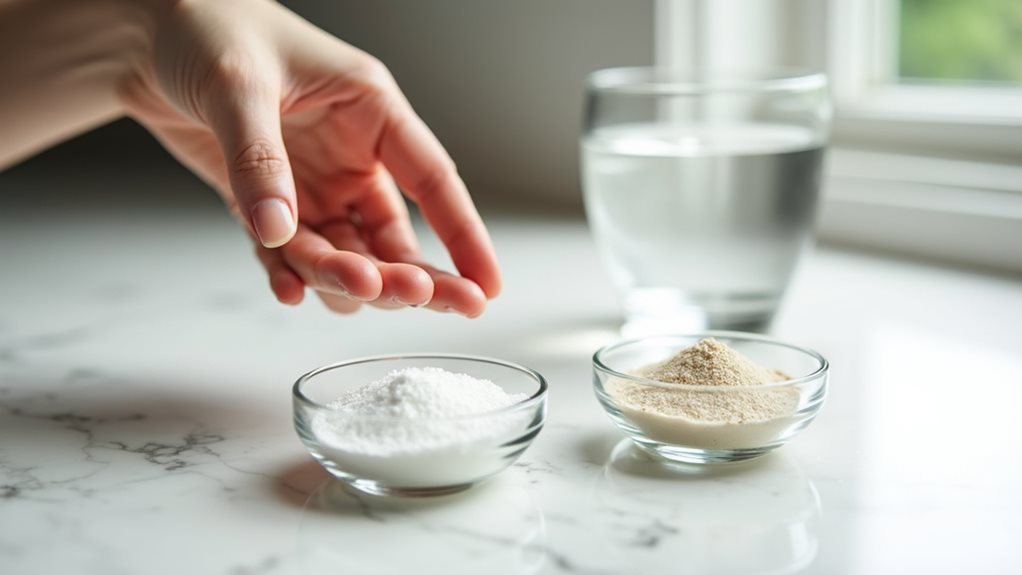
Creatine HCl makes sense when you want smaller daily doses, better stomach tolerance, or a simpler routine.
You can use 750 to 1,500 mg for cognitive goals, and you don’t need a loading phase.
If you have sensitive digestion, pregnancy concerns, or low baseline creatine, HCl may suit you.
Cycling protocol and dosage timing matter less than steady daily use. Creatine loading is not necessary for most people and skipping it can maintain steady levels.
Monohydrate vs. HCl: Solubility and Dosing
One key difference between the two forms is how easily they dissolve in water, not how much muscle they can build. You can mix creatine HCl in less liquid, while monohydrate may need more water. Both work best at 3 to 5 grams daily, and your digestive tolerance may improve with better mixing. Keep daily hydration steady, because saturation depends on consistency. creatine absorption can vary with timing and form, but total daily intake remains the major driver of muscle creatine stores.
Best Creatine for Women on a Budget
For women trying to keep supplement costs low, creatine monohydrate usually gives the best value without sacrificing results.
A cost-effective approach is to prioritize a well-studied form with broad evidence for improved strength and performance, such as creatine monohydrate, which has a robust safety profile and broad applicability across workouts creatine monohydrate efficiency.
How to Take Creatine for Best Results

The simplest path to creatine results is steady daily use, not exact timing.
For loading versus maintenance, you can take 20 grams daily for 5 to 7 days, then 3 to 5 grams each day, or skip loading and use daily consistency for 3 to 4 weeks.
Take it with water, juice, or a meal, and keep your intake regular.
What Research Shows for Women
Research in women shows that creatine monohydrate and creatine HCl produce similar strength and performance benefits when you use recommended doses.
Dose timing matters less than daily consistency, and GI comfort may improve with HCl for sensitive stomachs.
Studies show monohydrate’s absorption stays high, and women don’t gain more from HCl.
Both forms support strength, fat-free mass, and safety.
Frequently Asked Questions
Can Women Take Creatine During Menstruation?
Yes, you can take creatine during menstruation, and research shows it stays effective throughout the cycle.
You don’t need to stop for bleeding, because creatine is menstrually safe and doesn’t worsen cramps or flow.
Keep your hydration timing steady, and use 3–5 grams daily.
Creatine monohydrate and HCl both work well, and consistent intake can help support energy, strength, and recovery when you menstruate.
Should Creatine Be Taken Before or After Workouts?
You should take creatine either before or after workouts, because timing doesn’t change long-term results much.
Your dosing consistency matters more than the workout window, and 3 to 5 grams daily supports muscle saturation.
If you want a small practical benefit, take it after training with food, because increased blood flow may aid uptake.
Keep hydration timing steady, and use the same dose every day, including rest days, for reliable effects.
Is Creatine Safe for Women Over 40?
Yes, creatine is generally safe for you over 40 if you have healthy kidneys.
Safety evidence shows standard doses of 3 to 5 grams daily support aging muscle, strength, and recovery.
Long term use hasn’t harmed kidney health in studies of people with normal renal function.
If you have kidney disease, you should ask your doctor before using it.
Creatine may also help maintain performance and lean mass during midlife.
Can Creatine Help With Sprinting and HIIT Performance?
Yes, creatine can help with sprinting and HIIT performance.
You may gain sprinting benefits through faster ATP regeneration, higher power output, and less fatigue during repeated efforts.
For HIIT dosing, 3 to 5 grams daily often supports more interval reps, better recovery, and lower perceived exertion.
Women show similar gains to men, and creatine monohydrate has the strongest evidence for improving short, intense exercise performance safely and consistently.
Does Creatine Interact With Caffeine or Protein Powders?
Creatine doesn’t interact negatively with caffeine or protein powders, so you can use them together safely.
Caffeine timing doesn’t block creatine uptake, and studies show similar performance when you combine them.
Protein compatibility is also strong, because whey, casein, and plant powders don’t break creatine down.
Daily consistency matters most, and mixing creatine with your shake can support easy, regular dosing without reducing effectiveness.
And Finally
Creatine monohydrate usually gives you the best value, strongest research support, and reliable results for women. Creatine HCl may dissolve easier, but it doesn’t have better evidence for strength, muscle gains, or performance. If you want a simple, effective option, choose monohydrate, take it daily, and stay consistent. You won’t get bulky from creatine, but you may improve training quality, recovery, and lean muscle over time.
References
- https://www.glenari.com/blogs/articles/creatine-hcl-vs-monohydrate
- https://www.womenshealthmag.com/health/a64826695/types-of-creatine/
- https://blog.buckedup.com/2026/03/15/best-creatine-hcl-women-2026/
- https://www.chempora.com/creatine-hcl-vs-creatine-monohydrate-for-women/
- https://www.youtube.com/watch?v=qylzc_MhhxA
- https://www.youtube.com/watch?v=ylAmfgv6Eo8&vl=es
- https://www.healthline.com/nutrition/types-of-creatine
- https://con-cret.com/blogs/news/why-creatine-hcl-is-the-best-creatine-for-women
- https://www.myformulaforge.com/learn/guide/creatine
- https://jiggly.com/blogs/research/difference-of-creatine-monohydrate-hcl