When choosing a collagen supplement, consider the type of collagen that aligns with your goals, such as Type I for skin or Type II for joints. Check that the product uses hydrolyzed collagen for better absorption and that the dosage, typically 2.5 to 10 grams daily, matches your needs. Review labels for transparency about ingredients, sourcing, and avoid additives or fillers. Prioritize third-party testing for safety and quality, and sustainable packaging. Continuing your search helps you find the most effective and reliable options.
Takeaways
- Check for transparent labeling of collagen type, source, and dosage per serving to ensure product quality and suitability for your goals.
- Prioritize hydrolyzed collagen peptides for better absorption and effectiveness in skin, hair, nails, and joints.
- Verify third-party testing and certifications to confirm purity, safety, and absence of contaminants like heavy metals.
- Avoid products with artificial additives, fillers, or unnecessary artificial flavors for cleaner, more natural supplementation.
- Consider sustainable packaging and responsible sourcing to align with environmental and ethical preferences.
What Is Collagen, and Why Does It Matter for Your Health?

Collagen is the most common protein in the human body and makes up about 30% of total body protein.
In traditional medicine, collagen has been valued for its health benefits, and in many cultures, it holds cultural significance for skin, bones, and connective tissue health.
Maintaining collagen levels supports structural integrity, strength, and resilience across various tissues.
The synthesis of collagen requires adequate intake of nutrients such as vitamin C, zinc, copper, and manganese to ensure proper production and function. Adequate collagen support may also depend on consistent dietary intake and targeted supplementation when needed to sustain joint health collagen supplementation.
Which Types of Collagen Are Best for Skin and Joints?
Different types of collagen serve specific roles in supporting skin and joint health.
For skin, Type I collagen enhances collagen synthesis, improves hydration, elasticity, and reduces aging effects. Type I is the most abundant collagen in skin, teeth, bones, tendons, and ligaments.
For joints, Type II collagen supports cartilage and reduces inflammation.
Choosing the correct collagen type aligns with your goals, ensuring effective support for skin or joint health based on scientific evidence.
A growing body of clinical research suggests that oral collagen supplementation may modestly improve skin elasticity and hydration, with effects potentially tied to mono- or multi-peptide collagen fragments that stimulate collagen production. clinical evidence
Why Is Hydrolyzed Collagen Easier to Absorb?
When collagen is broken down into smaller fragments, it becomes easier for the body to digest and absorb, enhancing peptide absorption. This increased peptide availability supports collagen synthesis more efficiently because these fragments pass through the intestinal barrier with less difficulty, improving overall bioavailability of collagen-related nutrients. Hydrolyzed collagen can be more readily absorbed than intact collagen, aligning with how enzymatic breakdown enhances uptake.
How Much Collagen Should You Take Daily for Skin or Joint Benefits?

The recommended daily dose of collagen varies depending on your goals, with 2.5 to 5 grams typically supporting skin improvements. For joint health, higher intakes of 5 to 10 grams are often used, and some individuals may experience benefits at intermediate amounts depending on activity level. Absorption and bioavailability influence how effectively collagen benefits your body, with hydrolyzed forms being more readily absorbed bioavailability implications. The timeframe for seeing results generally ranges from 4 to 12 weeks for skin and up to 24 weeks for joint support when taken consistently.
Recommended Daily Dosage
How much collagen you should take daily depends on your specific health goals, such as improving skin or joint health.
For skin benefits, 2.5–10 g/day supports collagen production and enhances hydration.
For joint support, 5–10 g/day helps reduce discomfort.
Dietary sources provide some collagen, but supplements guarantee consistent intake for ideal results.
Absorption and Bioavailability
Collagen supplements aren’t absorbed as intact proteins; instead, digestion breaks them down into smaller peptides and amino acids before they’re absorbed into the bloodstream.
Genetic factors and environmental impacts influence absorption and bioavailability, affecting how much collagen benefits skin or joints.
Factors like supplement form, molecular weight, and nutrient co-factors determine how effectively collagen is employed by the body.
Effective Timeframe
Determining the most suitable daily amount of collagen depends on your specific goals and the type of benefits you seek.
For skin support, a minimum of 2.5 grams daily stimulates collagen synthesis, counteracting aging effects like wrinkles and dryness.
Higher doses, around 5 to 10 grams, are used for joint, bone, or muscle benefits, with consistent intake over 8 to 12 weeks showing results.
What Should You Look for on Collagen Supplement Labels?
When evaluating collagen supplement labels, it’s essential to look for clear information that indicates the type, source, and amount of collagen included.
Ingredient sources and label transparency help compare products effectively.
Look for labels stating hydrolyzed collagen or collagen peptides, specifying the collagen type and source, and showing the dose per serving for accurate assessment.
Also ensure the label provides the exact mg or g of collagen per serving and any additional ingredients that may affect absorption or layering with other nutrients. transparency
How Do Source and Quality Affect Collagen Supplements?
The source of collagen affects amino-acid profiles, sustainability, and consumer preferences. However, research shows that form and quality have a greater impact on visible results.
Hydrolyzed collagen, with smaller peptides, is more easily absorbed and more likely to provide benefits over time.
Ensuring product purity through third-party testing and choosing high-protein, simple ingredient formulas are essential for safety and effectiveness. Additionally, selecting collagen types based on tissue targets helps tailor benefits to your health goals, such as supporting skin, joints, or gut health high-protein strength and choosing products with transparent sourcing data.
Source Transparency Matters
Source transparency plays a crucial role in determining the quality of collagen supplements because clear labeling allows you to verify the species and raw-material origins, such as fish-derived marine collagen or bovine hydrolyzed collagen.
Source authenticity and traceability standards guarantee that raw materials are responsibly sourced, safe, and ethically produced, providing confidence in the supplement’s overall quality.
Quality Indicators to Check
Quality indicators considerably influence the effectiveness and safety of collagen supplements. You should look for supplement certification, such as NSF or USP, which verify ingredient accuracy and contaminant safety.
Ingredient transparency is also essential, ensuring labels clearly state collagen amounts, sources, and all ingredients. These factors help confirm product quality, purity, and adherence to safety standards.
Impact on Effectiveness
How do the source and quality of collagen supplements influence their effectiveness? The form, especially hydrolyzed collagen peptides, enhances collagen synthesis and improves skin elasticity by increasing absorption.
Processing and dose are essential, as smaller peptide size and consistent intake lead to better absorption and results.
High-quality, pure products support more reliable improvements in skin, joints, and connective tissues.
How Does Third-Party Testing Ensure Your Collagen Is Safe and Pure?
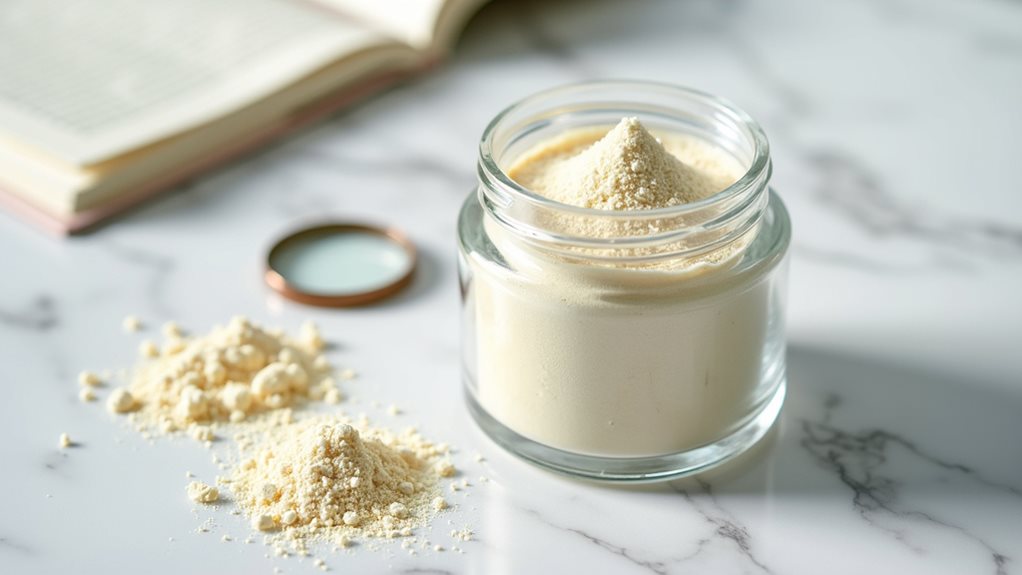
Third-party testing plays a crucial role in ensuring collagen supplements are safe and pure by providing independent verification of the product’s contents. It reduces contamination risks, such as heavy metals and harmful additives.
It emphasizes certification importance. Certification stamps and lab reports confirm the product matches label claims, ensuring ingredient accuracy, safety, and transparency without relying solely on manufacturer claims.
Which Collagen Formulations Are Best for Your Specific Goals?
Different collagen types and formulations target specific health goals, such as skin, joints, or bones. The quality of ingredients and formulation clarity influence supplement effectiveness and safety. Matching collagen sources and doses to your goals guarantees the most appropriate and beneficial results. The choice between marine and bovine collagen can also affect absorption rate and sustainability, which may influence how well you meet your target outcomes anchor: absorption rate.
Collagen Types and Benefits
Different types of collagen serve specific functions in the body, and selecting the right formulation depends on your goals.
Collagen synthesis relies on dietary sources like bone broth, fish, and meat, which provide essential amino acids.
Type I supports skin and bones.
Type II benefits joint health.
Type III aids vascular and tissue support, aligning supplements with your specific needs.
Formulation and Ingredient Quality
Choosing the right collagen formulation depends on your specific health goals and the quality of ingredients used.
Hydrolyzed collagen or collagen peptides guarantee better absorption.
Clear collagen amounts per serving and source disclosure improve transparency.
Minimal, natural ingredients with vitamin C support enhance quality.
Consider packaging sustainability and avoid products with flavor additives, artificial ingredients, or exaggerated claims, guaranteeing product reliability.
Matching Goals With Sources
Matching collagen formulations to your specific health goals requires understanding how each type functions within the body. Collagen absorption varies by formulation.
Hydrolyzed collagen peptides are highly bioavailable, supporting skin, hair, and nails.
Supplement branding influences quality and clarity of ingredients.
For joint health, undenatured Type II collagen is most effective.
Type I and III blends target beauty goals.
What Additives and Fillers Should You Avoid in Collagen Products?
Many collagen products contain additives and fillers that don’t enhance the supplement’s effectiveness and may introduce unnecessary ingredients.
Avoid flavor additives like artificial flavors, sweeteners, and “natural flavors,” which mask taste without benefits.
Prioritize ingredient transparency by selecting products with short, clear labels.
Steer clear of gums, thickeners, and ultra-processed compounds that add no collagen value.
How to Choose a Collagen Supplement That Fits Your Lifestyle and Budget

When selecting a collagen supplement, it’s important to take into account how well it fits your lifestyle and budget to guarantee consistent use and effective results.
Review dosage guidelines, which typically range from 5 to 15 grams daily depending on goals.
Conduct supplement comparisons, considering cost per serving, format, and ingredient transparency to confirm the product aligns with your needs.
When Can You Expect to See Results From Collagen Supplements?
Results from collagen supplements typically appear gradually over time, with different skin and joint benefits emerging at various points.
The evidence also supports measurable improvements in joint comfort and mobility after several months of consistent use, particularly in individuals with collagen-deficient or aging joints, and ongoing hydration and elasticity gains can continue beyond the initial milestones. long-term joint health
Questions to Ask Before Buying Collagen Online or In-Store
Before purchasing collagen supplements, whether online or in-store, it’s important to ask specific questions to guarantee product quality and effectiveness. Consider dietary restrictions, ensuring ingredients meet your needs.
Ask about packaging sustainability to reduce environmental impact.
Confirm the collagen type, source, dosage, and added ingredients.
Verify certifications and testing results for purity, and inquire about the product’s traceability and adherence to safety standards.
Frequently Asked Questions
Are Plant-Based Collagen Alternatives Effective?
Plant-based sources and vegan alternatives aren’t directly effective as collagen supplements because they don’t contain actual collagen. Instead, they provide nutrients like vitamin C, amino acids, and antioxidants, which may support the body’s natural collagen production.
Although some users perceive skin improvements, scientific evidence remains limited. These options are better viewed as supportive measures rather than substitutes for collagen derived from animal sources.
Can Collagen Supplements Cause Allergic Reactions?
Collagen supplements can cause allergic reactions through allergenic ingredients, triggering an immune response. Reactions may include skin hives, swelling, difficulty breathing, nausea, or vomiting, especially if the source is fish, shellfish, or bovine.
These responses are more likely if you have known allergies to the collagen source. Checking ingredient labels and source information helps identify potential allergenic ingredients, reducing the risk of immune response-related allergic reactions.
Is There an Optimal Time of Day to Take Collagen?
Timing considerations for collagen intake vary based on individual goals and routines, with no universally ideal time established.
Absorption factors suggest that collagen can be taken with or without food, and some evidence indicates empty-stomach intake may enhance absorption, but this isn’t definitive.
Regular daily use over weeks is more important than timing, and consistency supports better results regardless of whether you take collagen in the morning, evening, or around workouts.
How Long Should I Take Collagen Before Expecting Visible Results?
You should take collagen for at least 8 to 12 weeks before expecting visible results, as biological processes like skin cell turnover and collagen synthesis take time.
Supplement absorption improves over this period, allowing collagen to integrate into your skin, hair, and joints.
Consistent daily intake supports gradual, cumulative benefits, with noticeable changes in skin texture and elasticity typically appearing after this timeframe.
Do Collagen Supplements Interact With Medications?
Collagen supplements generally don’t cause significant drug interactions, but added ingredients like herbs, minerals, or high-dose vitamins can interfere with medications.
Dosage considerations are important, especially when collagen products contain calcium, magnesium, or other minerals that may reduce absorption of certain drugs, such as antibiotics or thyroid medications.
Spacing collagen intake at least two hours apart from medications minimizes interaction risk, and consulting a healthcare professional guarantees safe usage, particularly for those on prescription drugs.
And Finally
Choosing a high-quality collagen supplement involves checking for hydrolyzed collagen, minimal additives, and proven ingredient sources. Understand your specific health goals, such as skin or joint support, and select a product offering the appropriate dosage. Read labels carefully and avoid unnecessary fillers. Consistent use over several weeks is necessary to observe benefits. By making informed choices, you guarantee the supplement’s effectiveness and safety, maximizing your investment in health.
References
- https://www.goodrx.com/well-being/supplements-herbs/best-collagen-supplements
- https://www.medicinenet.com/what_is_the_best_form_of_collagen_to_take/article.htm
- https://www.health.com/nutrition/best-collagen-supplements
- https://vitaquest.com/how-to-choose-the-right-type-of-collagen-for-your-supplement-line/
- https://www.goodhousekeeping.com/uk/beauty/skincare/g43138026/best-collagen-supplements/
- https://www.vogue.co.uk/beauty/article/best-collagen-supplements
- https://fortune.com/article/best-collagen-supplements/
- https://primabiotic.com/blogs/selfcare/best-collagen-supplements-for-skin-and-hair-in-2026-top-7-products
- https://www.healthline.com/nutrition/best-collagen-for-skin
- https://my.clevelandclinic.org/health/articles/23089-collagen