Ashwagandha can help reduce anxiety, especially when you use a standardized extract at 300 to 600 mg daily for 6 to 8 weeks. Trials and a 2022 meta-analysis show better anxiety scores than placebo, plus lower cortisol and stress-system activity. HAM-A, GAD-7, and perceived stress scores improve most. You should be cautious if you’re pregnant, have thyroid or autoimmune disease, or take sedatives, antidepressants, diabetes drugs, or blood pressure medicines, and more details matter.
Takeaways
- Ashwagandha is an Ayurvedic adaptogen whose standardized root extracts may help reduce stress and anxiety.
- Clinical trials generally show lower anxiety scores than placebo, including improvements on HAM-A and GAD-7.
- Benefits appear after 6 to 8 weeks, with the best-supported dose around 300 to 600 mg daily.
- It may work by reducing cortisol and modulating the HPA stress response, rather than causing direct sedation.
- Side effects are usually mild, but liver injury, thyroid effects, pregnancy, and medication interactions require caution.
What Is Ashwagandha for Anxiety?
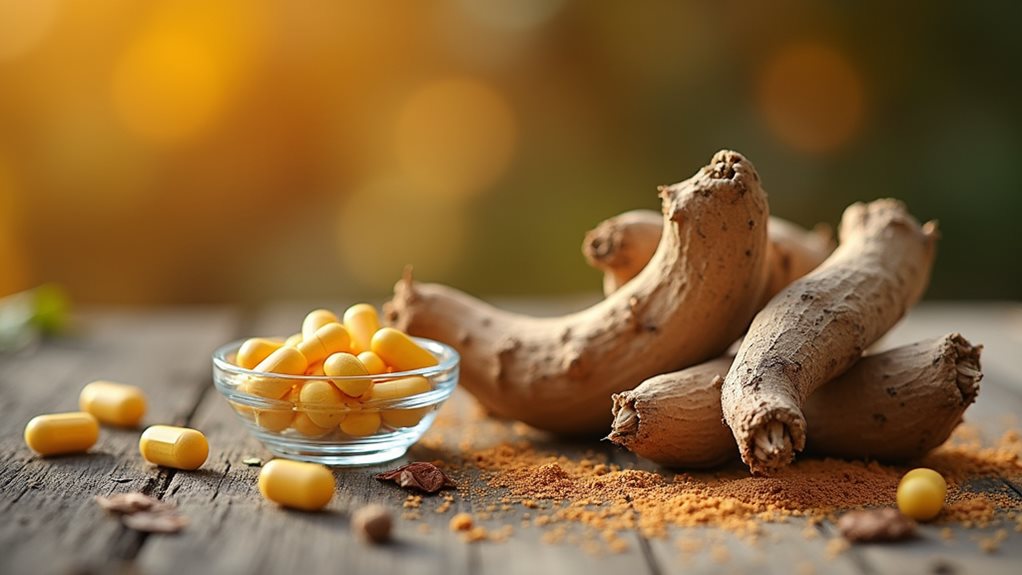
Ashwagandha, or *Withania somnifera*, is a traditional Ayurvedic herb that people have used for more than 3,000 years to support balance and resilience.
You know it as Indian ginseng, a natural adaptogen.
Its root contains withanolides, it helps regulate the HPA axis, lowers the cortisol stress marker, and may support GABA calming effects, without direct sedation, when you use standardized extracts. Some studies suggest it may help with stress and sleep.
Does Ashwagandha Really Reduce Anxiety?
Does Ashwagandha Really Reduce Anxiety?
Clinical research suggests it can.
You may see anxiety drop more than placebo, with trials showing a 41% HAM-A reduction and strong p-values.
A 2022 meta-analysis of over 1,000 people supports this.
Dose timing matters, 300 to 600 mg daily for 6 to 8 weeks works best.
The adverse event rate stays low, and most reports are mild.
Ashwagandha may also improve sleep quality, which can indirectly help reduce stress and anxiety.
New evidence indicates that specific bioactive compounds in ashwagandha, such as withanolides, may contribute to these effects and help explain why standardized extracts are used in trials withanolides.
How Ashwagandha Lowers Stress
By reducing the body’s stress response, ashwagandha appears to act on the hypothalamic-pituitary-adrenal, or HPA, axis and lower cortisol release.
Daily 300–600 mg can reduce HPA activation, and trials show lower serum cortisol, often 14% to 22% from baseline.
You may notice steadier stress signaling with careful dose timing, and this can support anxiety rebound avoidance when use stays consistent.
The effect on cortisol appears to depend on baseline stress levels, with greater reductions seen in individuals with higher initial cortisol responses cortisol reduction variability.
Which Anxiety Scores Improve Most?
The strongest improvements show up on the Hamilton Anxiety Rating Scale, the GAD-7, and the Perceived Stress Scale, with each measure moving down in trials of ashwagandha.
In HAM-A versus GAD-7, HAM-A often drops more in absolute points, while GAD-7 shows broader percentage gains.
Your stress subtypes responder rates also rise, especially when dosing reaches 300–600 mg/day over eight weeks.
extract type The daily dosage recommendations for ashwagandha vary by extract type and concentration, which can influence how effectively anxiety scores improve across these measures.
What the Trials Show
Trials give the clearest view of ashwagandha’s effect on anxiety, and they consistently show lower scores than placebo. You’ll see repeated HAM-A drops, meta-analyses with strong significance, and cortisol declines that track with stress relief. Dose duration matters because most trials run up to 3 months. In addition, safety monitoring shows only mild side effects, with no serious events or health-sign changes. clinical trials
Best Dose for Anxiety Relief
For anxiety relief, most standardized ashwagandha extracts fall in the 300–600 mg daily range, and many people start lower at 250–500 mg to assess tolerance.
Additionally, individual side effect risk can vary, and those with autoimmune conditions or thyroid disorders should consult a clinician before use ashwagandha safety concerns, as some users may experience digestive upset, drowsiness, or thyroid-related effects.
Why 8 Weeks Matters

A proper dose matters, but duration shapes whether ashwagandha can actually lower anxiety-related stress markers. You need consistent daily use, because cortisol reduction builds slowly. Week-by-week progress toward measurable anxiety relief typically becomes noticeable as adrenal function and HPA-axis adaptations accumulate over time Stress hormone adaptation and progress between week 6 and week 8 often marks measurable biomarker improvement.
Can Ashwagandha Help You Sleep?
Ashwagandha may help sleep by shortening the time it takes to fall asleep, improving total sleep time, and reducing night awakenings. Magnesium also supports sleep by helping regulate melatonin and calming the nervous system. Studies show better sleep onset, longer sleep duration, and fewer awakenings after 8 weeks. You should still keep sleep hygiene strong, with a consistent bedtime, because habits support results. Research also links it to deeper sleep and better efficiency. Relaxation pathways and the nervous system support are influenced differently by ashwagandha and magnesium.
Ashwagandha and Stress-Related Fatigue
When stress lingers, ashwagandha may help reduce the fatigue that often follows by lowering cortisol and easing strain on the body’s stress systems, which may support autonomic recovery and resilience during sustained workload HPA axis balance.
Does Ashwagandha Improve Quality of Life?

Research suggests that ashwagandha may do more than ease stress and fatigue, it can also improve broader quality of life measures. You may see stronger stress resilience, better quality of life metrics, and subjective wellbeing improvements.
Studies also show cortisol correlation findings, where lower stress and cortisol matched better self-rated scores. Older adults, athletes, and anxious adults all reported gains.
Is Ashwagandha Safe for Daily Use?
For most adults, daily ashwagandha appears safe in moderate doses, usually 250 mg to 600 mg of root extract.
You should keep liver safety in mind, because rare injury has occurred, and monitoring needs increase with long-term use.
Thyroid precautions matter if you have endocrine disease, and autoimmune risk makes daily use unsuitable for some people.
Limit use to about 3 months.
Common Side Effects
Ashwagandha can cause several common side effects, and digestive upset is among the most frequent.
You may notice nausea, loose stools, heartburn, or vomiting after high doses.
Mild drowsiness and fatigue also occur, especially with Medication induced sedation when you use anti-anxiety medicines.
Headaches and dizziness can happen.
A liver injury warning matters because rare cases have caused serious damage.
Who Should Be Cautious?

You should be cautious if you’re pregnant or breastfeeding, because ashwagandha may affect the uterus and could reach the infant through breast milk.
You should also avoid it if you have thyroid disease or an autoimmune condition, since it can raise thyroid hormones and stimulate immune activity.
If you take diabetes, blood pressure, sedative, anticonvulsant, or thyroid medicines, you’ll need medical guidance, because ashwagandha can interact with these drugs and change their effects.
Pregnant Or Breastfeeding
Because pregnancy and breastfeeding change how the body handles herbs, major health authorities advise caution with ashwagandha. You shouldn’t use it if you’re pregnant, because pregnancy safety evidence is weak, and animal studies suggest uterine stimulation, miscarriage, and premature labor risks.
For breastfeeding, lactation risk guidance also says avoid it, since European authorities, BfR, and NCCIH note limited safety data and potential harm.
Thyroid And Autoimmune
Thyroid disease changes how ashwagandha may act, so people with thyroid or autoimmune conditions need close caution.
It can raise T3 and T4, lower TSH, and push an overactive gland further.
You should avoid it with Graves’ disease caution, and watch for Hashimoto flare risk if antibodies are high or inflammation is active.
Stable cases need medical supervision and repeat testing.
Medication Interactions
Medication risks matter just as much as thyroid effects, since ashwagandha can change how several common drugs act in the body.
You should use caution with antidepressants, opioids, sedatives, and seizure medicines, because serotonin risk and motor impairment can rise.
Watch drug timing before surgery, and follow anesthetic caution.
If you take diabetes or blood pressure drugs, blood pressure monitoring and glucose checks are essential.
What Experts Recommend
Experts usually recommend a standardized ashwagandha extract at 300–600 mg daily, with 5% withanolides, because that range has the strongest support for anxiety and stress reduction.
You should choose standardized extracts, stay within this dose range, and expect the best evidence for 300 mg to 600 mg daily.
Clinicians note 600 mg may work better, but safety data beyond 3 months stays limited.
Ashwagandha vs. Other Anxiety Options
Compared with standard anxiety treatments, ashwagandha works more like a stress-modulating supplement than a direct psychiatric drug. You may see milder effects than antidepressants or anti-anxiety medicines, but fewer side effects and less regulatory oversight.
Its research base is smaller, though promising for stress reduction. Among herbal alternatives, it can complement CBT comparison methods, yet standard care remains better studied and more consistent.
How to Start Safely
To start ashwagandha safely, choose a standardized extract and begin with a low dose.
Start low, assess tolerance, and follow label dosing, with 150 to 300 mg daily for 3 to 5 days.
Pick third-party tested root-only KSM-66 or Sensoril, take it with food, track sleep mood weekly, and watch for side effects like nausea, dizziness, or headaches.
Frequently Asked Questions
Does Ashwagandha Affect Cortisol Levels in Healthy People?
Yes, ashwagandha can lower cortisol in healthy people, and stress reduction is strongest in dose response studies using 500 to 600 mg daily.
You’ll usually see the clearest effects after 6 to 8 weeks, with smaller benefits at lower doses.
Trials show about a 7.8% cortisol drop versus placebo, which suggests a real physiological change.
Some studies found no difference, so results aren’t perfectly uniform.
What Withanolide Percentage Is Best Studied for Anxiety?
You should look for 2.5% withanolides, because withanolide research for anxiety most often tests that level.
Best study ranges usually use a full-spectrum root extract standardized to 2.5%, and trials at 500–600 mg daily show the clearest anxiety reductions.
This percentage has the strongest clinical support, compared with lower or highly isolated forms, and researchers often link it to meaningful score improvements after 60–90 days of use.
Can Ashwagandha Be Used for Anxiety-Related Insomnia Alone?
Yes, you can use ashwagandha for anxiety-related insomnia alone, and studies show it can improve sleep timing, sleep quality, and next day alertness.
A dosing strategy of 300 mg twice daily, or 600 mg total, worked best in trials, and benefits usually appeared after 8 weeks.
You should watch for next day sedation, check safety considerations, and avoid combining it with other sedatives or medications without guidance.
How Long Do Anxiety Benefits Last After Stopping Ashwagandha?
You’ll usually notice anxiety benefits fade within 3 to 7 days after stopping ashwagandha, and peak rebound often appears in the first week.
Most users return to baseline in 2 to 4 weeks, but higher doses, longer use, or stress can extend recovery.
Withdrawal timeline uncertainty means your pace may differ, so use Rebound symptom tracking to watch irritability, sleep, and anxiety, and tapering can reduce symptoms.
Is Ashwagandha Helpful for Mild Stress Without Diagnosed Anxiety?
Yes, you can use ashwagandha for mild stress without diagnosed anxiety, and studies show lower stress scores and cortisol.
The stress versus anxiety distinction matters, because mild stress often responds to 300 to 600 mg daily.
Dosing timing for stress usually spans 8 weeks, placebo response in mild stress can be notable, and safety considerations for healthy adults include minor side effects and limited long-term data.
And Finally
Ashwagandha may help reduce anxiety if you use it consistently, but the evidence is still limited. You should expect modest improvements in stress and anxiety scores, not a cure. Some trials show better results with higher doses and several weeks of use, while side effects and drug interactions can still occur. You should talk with a clinician before starting, especially if you take other medicines, are pregnant, or have health conditions that raise risk.
References
- https://ods.od.nih.gov/factsheets/Ashwagandha-HealthProfessional/
- https://www.cambridge.org/core/journals/bjpsych-open/article/effects-of-ashwagandha-supplements-on-cortisol-stress-and-anxiety-levels-in-adults-a-systematic-review-and-metaanalysis/6F2D7847C1F64707F2034A45FD6CF0C0
- https://pubmed.ncbi.nlm.nih.gov/31517876/
- https://journals.lww.com/md-journal/fulltext/2023/10130/a_standardized_ashwagandha_root_extract_alleviates.42.aspx
- https://pubmed.ncbi.nlm.nih.gov/36017529/
- https://www.sciencedirect.com/science/article/abs/pii/S1550830724001691
- https://pmc.ncbi.nlm.nih.gov/articles/PMC3573577/
- https://pubmed.ncbi.nlm.nih.gov/25405876/
- https://pmc.ncbi.nlm.nih.gov/articles/PMC6979308/
- https://www.nmi.health/ashwagandha-a-review-of-clinical-use-and-efficacy/