Ashwagandha can lower cortisol by calming your stress response through the HPA axis, and its withanolides may also support GABA and serotonin signaling. In studies, you often see the clearest changes with 300 to 600 mg daily for 6 to 8 weeks, with early shifts in 1 to 4 weeks. It can help stress, sleep, and mood, but it may cause drowsiness, stomach upset, or thyroid changes, and more details follow below.
Takeaways
- Ashwagandha may lower cortisol by calming the stress response through the HPA axis.
- It can reduce morning and serum cortisol, with stronger effects often seen at 500–600 mg daily.
- Early changes may appear in 1–4 weeks, while clearer cortisol and anxiety benefits often take 6–12 weeks.
- It may also support calming GABA and serotonin activity, helping stress feel more manageable over time.
- Common side effects include drowsiness and stomach upset, and it should be avoided in pregnancy and with certain conditions.
What Does Ashwagandha Do to Cortisol?
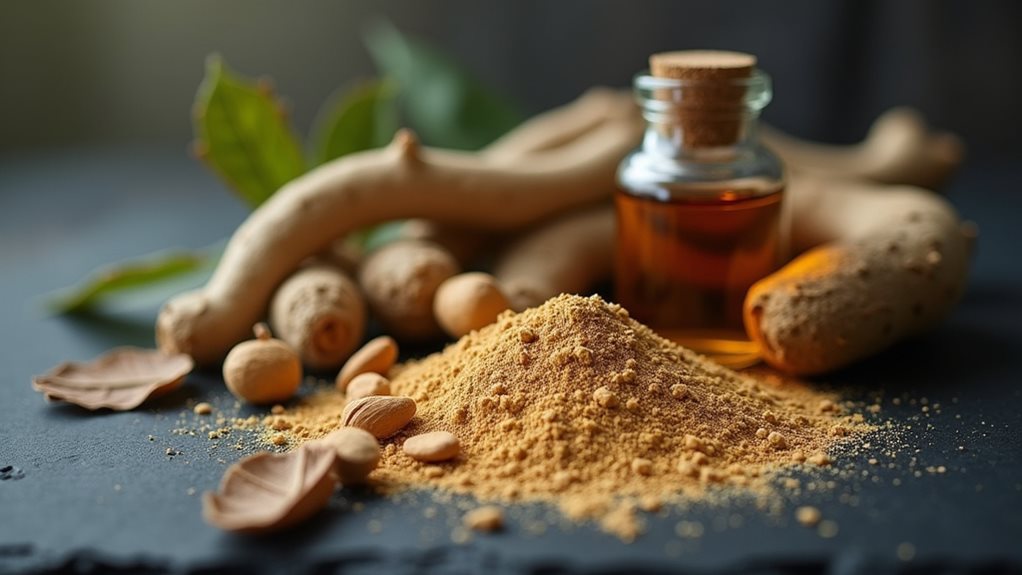
Ashwagandha lowers cortisol by helping regulate the body’s stress response, especially through the hypothalamic-pituitary-adrenal, or HPA, axis. You’ll see lower serum and morning salivary cortisol, and studies show bigger drops at 500 to 600 mg daily. Stress dosage timing matters, because 30 to 60 days often produces results. Cortisol measurement methods, including saliva and blood tests, confirm these changes clearly. Reference number a10b55666e6bed7b and error details can be used when contacting support for access issues. In clinical studies, participants were often assessed for anxiety symptoms alongside cortisol changes, illustrating how cortisol reductions may correlate with improvements in stress-related fatigue and anxious mood. cortisol regulation
How Ashwagandha Calms the HPA Axis
By acting on the brain’s stress control centers, ashwagandha helps calm the HPA axis and reduce cortisol output. You get stress signal clarity as it lowers CRH, supports feedback responsiveness, and improves neuroendocrine coordination. Its context dependent modulation reduces overactive cortisol during strain, with medium daily doses often lowering morning cortisol within 4 to 13 weeks, while helping restore balanced adrenal signaling. Ashwagandha may also support adrenal activity through its broader endocrine effects. In addition, some evidence suggests that ashwagandha can modulate immune and neural pathways involved in stress responses, which may contribute to its overall regulatory effects on the HPA axis and cortisol dynamics 1-4.
Ashwagandha’s Effects on GABA and Serotonin
That same stress-lowering effect also reaches the brain’s calming neurotransmitters, where ashwagandha supports both GABA and serotonin activity.
Its withanolides show GABA receptor binding, strengthen inhibitory signaling, and can lower neuronal firing.
You also see serotonin receptor modulation, with higher serotonin availability in key brain regions.
Together, these shifts help your nervous system stay balanced and less reactive under pressure.
Does Ashwagandha Lower Cortisol?
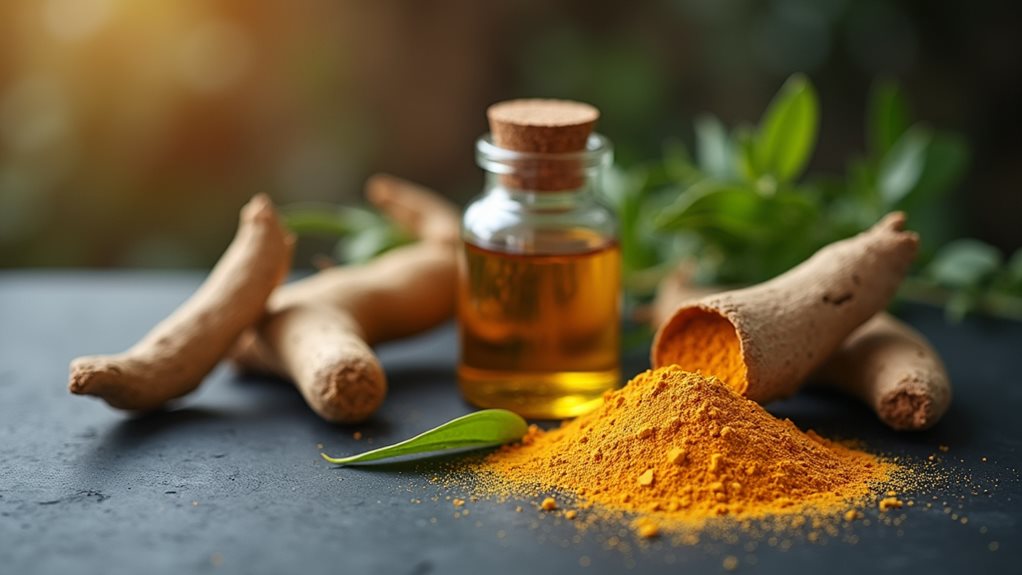
Yes, you can expect ashwagandha to lower cortisol, because clinical trials and meta-analyses show significant serum cortisol reductions versus placebo, often by 11% to 32.6%. It works by moderating the HPA axis, ACTH release, and adrenal cortisol production, which helps reduce prolonged stress signaling. Most studies show the clearest results with 500 to 600 mg daily for 6 to 8 weeks, while lower doses may produce smaller effects. Long-term stress is a key factor that can influence cortisol patterns and may respond to sustained supplementation over time.
Cortisol Reduction Evidence
Clinical evidence suggests ashwagandha can lower cortisol, especially in adults under chronic stress.
In trials, you see 11% to 33% drops over 30 to 112 days, with strongest results around 300 to 600 mg daily.
Meta-analysis confirms a modest mean decrease versus placebo.
Correlation with anxiety reduction appears alongside lower PSS and HAM-A scores, showing a duration dose response.
How Ashwagandha Works
Ashwagandha lowers cortisol by helping regulate the body’s stress response, not by shutting it down completely.
You get HPA axis support, withanolides calm HSP90 and NF-κB signaling, reducing inflammation and stress drive.
It also influences serotonin, GABA, and norepinephrine, helping balance mood, Immune Support, and Blood Sugar.
These effects support steadier cortisol without adrenal suppression.
Expected Dosage Timeline
If you use ashwagandha consistently, cortisol changes usually don’t appear right away.
You may see week 4 changes, especially with 300 to 600 mg of standardized extract.
Measurable drops often show by 4 to 8 weeks, and 8 to 12 weeks supports a fuller HPA axis reset.
A 300 mg daily dose can work, but 600 mg often lowers cortisol more.
How Much Ashwagandha to Take for Stress
Most people use 250 mg to 600 mg of ashwagandha each day for stress relief, and many studies rely on 300 mg to 500 mg daily for cortisol control.
You should adjust with personalized dosing, check withanolide standardization, take it with food, and use sleep specific dosing at bedtime if needed.
Higher doses can raise side effects, so stay within tested ranges.
How Long Ashwagandha Takes to Work
Early changes usually show up within the first 1 to 4 weeks of steady daily use.
You may notice calmer sleep, less tension, and small stress relief first.
Measurable anxiety and cortisol changes often need six to twelve weeks.
Individual variability matters, so some people respond sooner, others later.
Consistent use helps your body recalibrate, and fuller benefits usually build over time.
Over time, gradual cortisol normalization may occur as stress response regulation improves with sustained use. cortisol regulation
Ashwagandha Root Extract vs Root-Leaf

When you compare ashwagha forms, root extract has the strongest evidence for lowering cortisol, while root-leaf products do not. In clinical studies, standardized root extracts are typically used at 300–600 mg daily for about 8–12 weeks to observe cortisol-related effects. Leaf antioxidant benefits and whole plant coaction theory may support inflammation control, but leaf variability safety remains a concern, because withaferin A levels rise sharply in leaves, altering risk. root extract standardization and its dosing are key factors in achieving consistent cortisol reduction.
Stress and Anxiety Benefits
When you take ashwagandha daily, you can lower cortisol, and clinical trials show drops of about 11% to 32.6% in stressed adults.
You can also see stress relief, since studies report lower PSS scores, improved subjective stress ratings, and less fatigue after consistent use.
At doses of 300 mg to 600 mg, the herb may also ease anxiety, reduce Hamilton Anxiety Scale scores, and support better sleep under chronic stress.
Ashwagandha has been associated with potential side effects in some individuals, including gastrointestinal upset, drowsiness, and rarely liver function changes, so starting with a lower dose and monitoring how you feel is advised. Cortisol reduction range
Stress Reduction Benefits
Ashwagandha can lower stress in a measurable way, and studies show it often works best in people with moderate to severe stress.
You may see lower PSS scores, less cortisol, and steadier heart rate during stress.
Breathing techniques can help too, but ashwagandha’s effects usually appear after 4 to 12 weeks of daily use, especially at 500 to 600 mg.
Anxiety Relief Effects
Because anxiety often rises alongside chronic stress, ashwagandha may help lower both by reducing stress hormone activity and easing nervous-system strain.
In placebo comparisons, you may see better Hamilton Anxiety Scale scores and improved GAD-7 results, especially at 500 to 600 mg daily.
Better Sleep quality often follows, and studies report few withdrawal effects, though longer use still needs review.
Ashwagandha Side Effects and Safety
Although ashwagandha is generally well tolerated for short-term use, it can cause side effects that range from mild digestive upset to rare but serious liver injury.
You may notice nausea, diarrhea, drowsiness, or headaches, and Sedation sleep interactions can increase fatigue.
Liver injury timelines usually appear within two to twelve weeks, and most cases improve after stopping.
Monitor thyroid changes carefully.
Newer evidence suggests that regular use can influence cortisol levels and stress response over time. Long-Term Safety
Who Should Avoid Ashwagandha?
You should avoid ashwagandha if you’re pregnant, breastfeeding, or have hormone-sensitive conditions, because it can affect pregnancy safety and hormone levels.
If you have thyroid disease, especially hyperthyroidism, ashwagandha may change thyroid hormone activity and worsen symptoms.
You should also use caution with autoimmune disorders and medications, since ashwagandha can interact with immune, thyroid, sedative, and blood sugar treatments.
Be aware that some people with thyroid conditions may experience changes in thyroid hormone levels when taking ashwagandha, so monitoring is advised. thyroid hormone
Hormone-Sensitive Conditions
Ashwagandha isn’t appropriate for everyone, especially people with hormone-sensitive conditions.
If you have Testosterone sensitivity or prostate cancer risk, it can raise testosterone and interfere with treatment.
It may also trigger immune activation, increasing autoimmune flare risk in conditions like lupus or rheumatoid arthritis.
You should get screened first, because medical guidelines advise avoiding it when hormones or immunity already need careful control.
Pregnancy And Thyroid Risks
Pregnancy and thyroid status are two of the clearest reasons to avoid ashwagandha. You should skip it during pregnancy, because it may trigger uterine contractions and miscarriage.
If you have hyperthyroidism, it can raise T3 and T4, lower TSH, and worsen symptoms.
Follow Ayurvedic safety guidelines, and review Drug interaction cautions with thyroid medicines before use.
What Ashwagandha Can and Can’t Improve
What can this herb actually improve, and where do its limits begin?
You may see lower cortisol, less stress, better sleep, and sharper mood.
Yet placebo limitations, variability outcomes, and dose inconsistency can blur results.
It won’t reliably fix generalized anxiety disorder or social phobia, and it won’t replace prescribed treatment.
Benefits often appear with 300–600 mg daily, after weeks of use.
Frequently Asked Questions
Can Ashwagandha Interact With Antidepressants or Anti-Anxiety Medications?
Yes, ashwagandha can interact with antidepressants and anti-anxiety medications.
You should watch for sedative enhancement, drowsiness, dizziness, and slowed reaction time, especially with benzodiazepines, trazodone, or tricyclics.
Interactions timing matters, because combining doses too closely may raise effects.
It may also alter serotonin or thyroid activity, so you shouldn’t mix it with SSRIs, MAOIs, or other psychotropics without medical advice and close monitoring for adverse symptoms.
Does Ashwagandha Affect Sleep Quality Differently in Morning Versus Evening Use?
Yes, ashwagandha affects sleep quality differently by timing.
Evening dosing timing, taken 30 to 60 minutes before bed, can lower cortisol, support relaxation, and shorten sleep onset.
Morning dosing timing may help daytime stress and focus, but it usually doesn’t improve nighttime sleep much.
For better sleep quality, you need consistent daily use for 6 to 12 weeks, with evening wind down effects often appearing more clearly than daytime benefits.
Should Cortisol Testing Be Done Before and After Taking Ashwagandha?
Yes, you should test cortisol before and after ashwagandha if you need a clear baseline, because the herb can lower true cortisol levels.
For non-urgent testing, stop it 1–2 weeks first, then repeat after treatment to compare results. This helps with alternative dosing decisions and sleep monitoring.
Tell your clinician the dose and duration, because timing and use can change interpretation and guide follow-up care.
Is Ashwagandha Safe to Use With Caffeine or Pre-Workout Supplements?
Yes, you can usually use ashwagandha with caffeine or pre-workout supplements if you’re a healthy adult. Keep dosage timing separate by a few hours, because ashwagandha works slowly and caffeine acts fast.
Watch possible side effects like stomach upset, jitteriness, or sleep disruption, especially with high stimulant doses.
Stay under 400 mg of caffeine daily, use about 600 mg of ashwagandha, and avoid this combination if you’re pregnant or medicated.
Can Ashwagandha Be Taken Continuously, or Should It Be Cycled?
You can take ashwagandha continuously for 3 to 6 months, but cycling is the safer approach because long term safety beyond that isn’t well studied.
A common plan uses dosage guidelines of 300 to 600 mg daily for 8 to 12 weeks, then a 2 to 4 week break.
This helps limit tolerance, lets you reassess benefits, and supports monitoring of liver and thyroid function during extended use.
And Finally
Ashwagandha may help lower cortisol by calming the HPA axis, supporting a steadier stress response, and influencing GABA and serotonin. You may notice less stress, improved sleep, and better anxiety control after regular use, but results vary. Typical doses depend on the product and extract strength, and side effects can include stomach upset or drowsiness. You should avoid it if pregnant, nursing, or managing certain health conditions. It can support stress, but it won’t fix every problem.
References
- https://pmc.ncbi.nlm.nih.gov/articles/PMC12242034/
- https://ods.od.nih.gov/factsheets/Ashwagandha-HealthProfessional/
- https://pmc.ncbi.nlm.nih.gov/articles/PMC6750292/
- https://www.sciencedirect.com/science/article/abs/pii/S1550830724001691
- https://ubiehealth.com/doctors-note/ashwagandha-social-phobia-cortisol-relief-peaks-4251q6
- https://pmc.ncbi.nlm.nih.gov/articles/PMC3573577/
- https://journals.sagepub.com/doi/abs/10.1177/02601060251363647
- https://pmc.ncbi.nlm.nih.gov/articles/PMC8728079/
- https://www.rupahealth.com/post/ashwagandha-benefits
- https://evinature.com/blogs/publications/ashwagandha-benefits-uses-health-effects