A vitamin D blood test measures your 25-hydroxyvitamin D levels to assess your vitamin D status. Low levels indicate deficiency, which can cause weakened bones, muscle weakness, and increased injury risk. High levels can lead to toxicity, resulting in hypercalcemia and organ damage. Ideal levels support bone and immune health, while imbalances may cause health issues. Understanding your results helps guide prevention or treatment, and further details show how to better interpret your test outcomes.
Takeaways
- Results typically measure 25-hydroxyvitamin D levels to assess overall vitamin D status.
- Normal levels support bone health and immunity, while low levels indicate deficiency.
- Excessive levels can cause toxicity, hypercalcemia, and organ damage.
- Interpretation depends on specific lab reference ranges and individual health factors.
- Retesting and consulting healthcare providers help determine appropriate actions for optimal levels.
What Is a Vitamin D Blood Test and Why Is It Important?
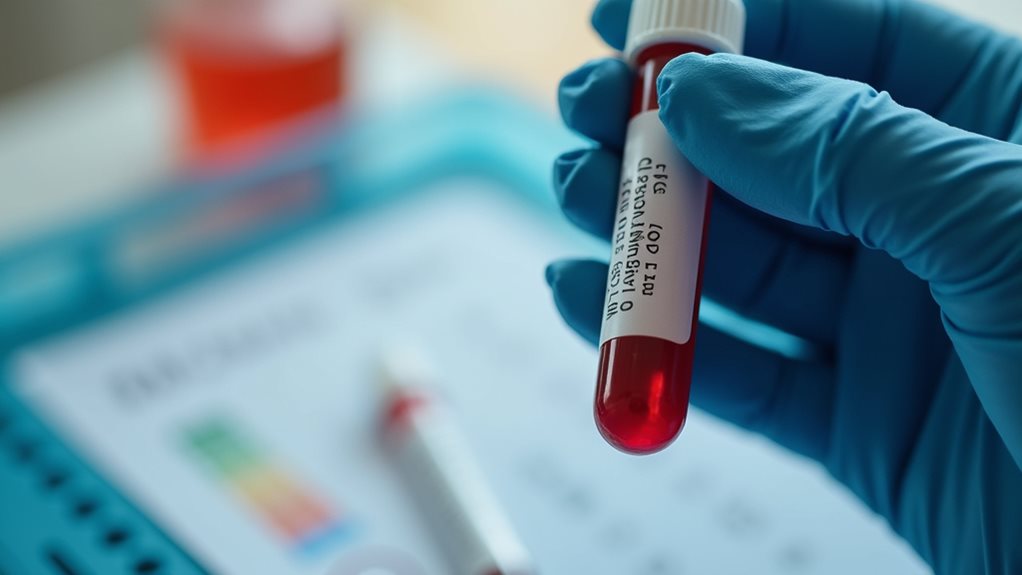
A vitamin D blood test is a medical analysis that measures the amount of vitamin D circulating in your body.
Your vitamin D sources include sun exposure, which helps your skin produce vitamin D3, and dietary sources like fortified foods and supplements.
This test helps assess if your levels are sufficient, low, or toxic, influencing your overall health and bone strength.
How Are Your Vitamin D Levels Measured?
Your vitamin D levels are measured through a blood test, typically involving a sample from a vein in your arm, which takes less than five minutes.
The test focuses on the 25-hidroxivitamina D (25(OH)D) marker, which accurately indicates your vitamin D status.
Results are usually reported in ng/mL or nmol/L and help determine if your levels are within the normal range or require attention.
Vitamin D status can be influenced by factors such as sun exposure, diet, and supplementation, and may be assessed alongside overall health considerations.
Blood Sample Collection
Blood sample collection for vitamin D testing typically involves drawing blood from a vein in the arm using a small needle.
The collection process may include placing a band around your upper arm to locate veins.
The blood sample is collected in a tube, usually takes less than five minutes, and is then sent to a laboratory for analysis.
Measuring 25(OH)D Levels
Measuring 25-hidroxivitamina D [25(OH)D] involves a blood test that provides the most accurate assessment of vitamin D status in the body.
You can obtain this through a blood sample from a vein or finger prick.
Results help determine if your vitamin D levels are adequate, influenced by factors like sun exposure benefits or vitamin D supplementation, which impact overall health.
Interpreting Laboratory Results
Laboratories measure vitamin D levels primarily through a blood test that detects 25-hydroxyvitamin D in the sample.
Genetic factors influence how your body processes vitamin D, while sun exposure affects natural production.
Variations in testing methods and reference ranges can lead to different interpretations, emphasizing the importance of considering individual factors and lab-specific guidelines when evaluating results.
What Do Different Vitamin D Levels Mean for Your Health?
Different vitamin D levels can profoundly affect your health, with deficiency leading to weakened bones, muscle weakness, and increased risk of health problems.
Excess levels may cause toxicity, resulting in hypercalcemia, kidney stones, and other complications.
Understanding what these levels mean helps you take appropriate steps to maintain ideal health and prevent related issues.
A balanced approach to vitamin D involves monitoring levels and considering factors like sunlight exposure, diet, and supplementation to support overall bone and immune health vitamin D status.
Impact of Deficient Levels
Low levels of vitamin D can considerably impact your health by affecting bone strength, muscle function, and overall physical stability.
Severe deficiency may cause weakened bones, increased fracture risk, muscle weakness, and impaired movement.
To improve levels, vitamin D supplementation and sun exposure strategies are recommended.
Addressing deficiency prevents skeletal problems and supports ideal musculoskeletal health.
Risks of Excess Levels
What do high vitamin D levels mean for your health? Excess vitamin D can cause vitamin D toxicity, leading to hypercalcemia risks.
Raised calcium levels may result in kidney stones, kidney injury, and, in severe cases, kidney failure. Symptoms include nausea, dehydration, weakness, and confusion.
Monitoring calcium and kidney function is essential to prevent complications from high vitamin D levels.
What Are the Effects of Vitamin D Deficiency and Insufficiency?
When vitamin D levels are insufficient or deficient, various health problems can develop across multiple body systems.
Low vitamin D impacts bone health by reducing calcium absorption, weakening bones, and increasing fracture risk.
It also impairs muscle function, causing weakness, reduced strength, and balance issues, which can lead to falls, especially in older adults.
Additionally, vitamin D status may influence immune function and inflammation, with potential implications for overall health and disease risk Vitamin D synthesis.
When Are Your Vitamin D Levels Too Low or Too High?

Vitamin D levels are considered too low or too high based on specific blood test thresholds established by various health organizations.
Low levels, below 12 to 20 ng/mL, may result from insufficient dietary sources or limited sunlight exposure, leading to bone health issues.
High levels, above 50 ng/mL, can occur from excess supplementation, potentially causing health problems. Vitamin D deficiency
What Factors Can Influence Your Vitamin D Test Results?
Various factors can influence the results of your vitamin D blood test, including the type of test used and the method of measurement.
Genetic factors, such as inherited differences in vitamin D metabolism, can affect levels.
Additionally, skin pigmentation influences vitamin D synthesis from sunlight, with darker skin producing less vitamin D, potentially resulting in lower test results regardless of sun exposure.
Vitamin D status can also be influenced by seasonal variation and geographic latitude seasonal variation due to differences in sun exposure throughout the year.
How Can You Improve Your Vitamin D Levels?
Improving your vitamin D levels involves multiple strategies that work together to increase your overall intake.
Sun exposure, especially direct contact with bare skin during midday, stimulates vitamin D synthesis.
Dietary sources, such as fatty fish, egg yolks, and fortified foods, provide additional vitamin D.
Combining these methods enhances vitamin D status, particularly when sun exposure and diet alone are insufficient.
Regular supplementation can help bridge gaps for individuals with limited sun exposure or dietary intake vitamin D supplementation to reach optimal levels more consistently.
When Should You Consider Retesting Your Vitamin D?

Retesting your vitamin D levels is recommended at specific times depending on individual circumstances and treatment progress. Typically, after 8 to 12 weeks of vitamin D supplementation or increased sun exposure, blood levels stabilize. Higher-risk groups, such as those with chronic illness or absorption issues, may require more frequent retesting, especially if symptoms or lab results suggest ongoing deficiency. The evidence also indicates that maintaining sufficient vitamin D levels may support immune function and potentially influence infection outcomes, so clinicians may consider retesting to ensure levels stay within the optimal range immune function stability.
Common Mistakes to Avoid When Interpreting Your Vitamin D Results
When reviewing your vitamin D test results, it’s important to avoid common mistakes that can lead to incorrect interpretations. Misreading the vitamin D marker, assuming universal cutoffs, ignoring assay variability, and overlooking related minerals can cause errors. Also, overinterpreting a single number without considering sun exposure guidelines or vitamin D supplementation habits can mislead your understanding of your health status. Vitamin D and omega-3 supplements can be safe to take together under general guidelines, but individual needs and interactions with medications should be considered. Safety considerations suggest checking with a healthcare provider about your specific supplement plan to ensure it’s appropriate for you.
Talking to Your Healthcare Provider About Your Vitamin D Status
Preparing for a discussion with your healthcare provider about your vitamin D status involves gathering specific information and understanding your test results.
Note your dietary sources, recent sunlight exposure, and any supplements or medications taken.
Clarify whether low levels result from limited sun exposure or insufficient dietary intake.
Ask about appropriate target levels and potential treatment options based on your results.
Frequently Asked Questions
How Often Should I Get My Vitamin D Levels Checked?
You should get your vitamin D levels checked every 3 to 6 months if you’re at high risk or undergoing treatment, especially with supplement timing adjustments.
For low-risk individuals, annual testing is sufficient once levels stabilize in the target range.
Sun exposure influences vitamin D status, so periods of limited sunlight may require more frequent testing.
Regular monitoring helps guarantee ideal levels and prevents deficiency or excess.
Can Certain Medications Affect My Vitamin D Test Results?
Certain medications can cause medication interference, affecting your vitamin D test results and testing accuracy. Drugs like antiepileptics, corticosteroids, bile acid sequestrants, and lipase inhibitors can lower serum vitamin D levels by increasing breakdown or reducing absorption.
Other medications, such as rifampin or statins, may alter lab measurements indirectly. These effects can lead to misleading results, so informing your healthcare provider about all medications is essential for accurate interpretation.
What Are Natural Ways to Boost My Vitamin D Levels?
To naturally enhance your vitamin D levels, increase sun exposure by spending 10-15 minutes outdoors on your face, arms, and legs several times a week, especially between 10 a.m. and 4 p.m.
Sunlight through glass doesn’t help.
Incorporate dietary sources like fatty fish, egg yolks, and fortified foods such as milk and cereals.
Consistent sun exposure and diet can raise your vitamin D levels effectively.
Does Skin Color Influence Vitamin D Blood Test Results?
Skin pigmentation influences vitamin D blood test results because darker skin contains more melanin, which reduces vitamin D synthesis from sun exposure.
People with darker skin typically produce less vitamin D when exposed to the same amount of sunlight compared to those with lighter skin.
Limited sun exposure further decreases vitamin D levels, making skin pigmentation a significant factor in blood test results.
Consequently, individuals with darker skin may have lower serum 25(OH)D, especially with reduced sun exposure.
Can Vitamin D Levels Fluctuate Seasonally?
Vitamin D levels can fluctuate seasonally due to changes in sunlight exposure, which affects the skin’s ability to produce vitamin D.
During summer months, increased UV-B exposure raises blood levels, while in winter, reduced sunlight causes levels to decline.
These seasonal variations can be significant, especially at higher latitudes, and are influenced by behavior, clothing, and supplementation, which can either amplify or mitigate these natural fluctuations.
And Finally
Understanding your vitamin D blood test results is essential for maintaining ideal health. Accurate interpretation helps identify deficiencies or excess levels that can impact bone strength, immune function, and overall well-being. Regular testing allows you to monitor changes and adjust your intake accordingly. Consulting your healthcare provider guarantees proper management. By staying informed and proactive, you can prevent health issues related to vitamin D imbalance and support your long-term health effectively.
References
- https://medlineplus.gov/lab-tests/vitamin-d-test/
- https://www.healthline.com/health/25-hydroxy-vitamin-d-test
- https://pmc.ncbi.nlm.nih.gov/articles/PMC2665033/
- https://www.medicalnewstoday.com/articles/normal-vitamin-d-levels
- https://www.pathofast.com/blogs/how-to-read-and-understand-your-vitamin-d-test-report
- https://remedysnutrition.com/blogs/letter-vitamins/how-to-read-your-vitamin-d-blood-test-results-a-simple-guide
- https://mymedicineadvisor.com/health/vitamin-d-test-levels-meaning-2026/
- https://www.kantesti.net/what-does-low-vitamin-d-mean-blood-test/
- https://www.testing.com/tests/vitamin-d-tests/
- https://medlineplus.gov/spanish/pruebas-de-laboratorio/prueba-de-vitamina-d/