Yes, you can take probiotics with antibiotics to support gut health and maintain bacterial balance. Proper timing is essential; taking probiotics within 1–2 days of starting antibiotics and separating doses by about 2 hours helps prevent interactions. Strains like Lactobacillus rhamnosus GG and Saccharomyces boulardii are most effective. Continuing probiotics during and after treatment promotes gut diversity and reduces side effects. Understanding how to choose and use them correctly can improve your treatment outcomes.
Takeaways
- Yes, probiotics can be taken with antibiotics to help maintain gut health and reduce antibiotic-associated diarrhea.
- Take probiotics 1-2 hours apart from antibiotics to minimize interaction and maximize effectiveness.
- Strains like Lactobacillus rhamnosus GG and Saccharomyces boulardii are most supported for concurrent use.
- Continue probiotic use during and for 7-14 days after antibiotics to support gut microbiome recovery.
- Consult healthcare providers to select appropriate strains and determine timing based on individual health needs.
What Are Probiotics and How Do They Work With Antibiotics?

Probiotics are live microorganisms that can improve the balance of bacteria in the gut, especially during antibiotic treatment. Their probiotic stability is essential because antibiotics can reduce their effectiveness. Probiotic stability Some strains develop antibiotic resistance, which may help them survive alongside antibiotics. Choosing strains with proven stability and resistance profiles guarantees better support for maintaining healthy gut flora during therapy. Probiotics can help restore gut balance during antibiotic use, and selecting strains with documented stability can enhance this effect.
Do Probiotics Help Prevent Antibiotic-Associated Diarrhea?
Probiotics can reduce the risk of antibiotic-associated diarrhea (AAD), with evidence showing they’re effective in both adults and children.
Lactobacillus rhamnosus GG and Saccharomyces boulardii act as well-supported strains, particularly at doses of 5 to 40 billion CFUs per day, and their benefits may relate to their ability to modulate gut microbiota probiotic strains.
Probiotics Reduce Diarrhea
Research shows that taking probiotics can lower the risk of developing diarrhea after using antibiotics. Specific probiotic strains support the gut microbiome, reducing disruptions that cause diarrhea.
Multiple studies indicate a significant risk reduction, especially in children and outpatients. These findings suggest probiotics help restore balance in the gut microbiome, decreasing antibiotic-associated diarrhea across various populations.
Effective Strains and Doses
Certain probiotic strains have stronger evidence supporting their use to prevent antibiotic-associated diarrhea (AAD). Lactobacillus rhamnosus GG and Saccharomyces boulardii are well-studied, with doses typically between 5 and 10 billion UFC daily.
Probiotic stability and antibiotic interactions influence effectiveness, so choosing specific strains at appropriate doses and timing can optimize prevention, especially when started early during antibiotic treatment.
Safety Considerations
The combination of probiotics and antibiotics is generally considered safe for most people, but certain precautions are necessary to guarantee safety.
To avoid antibiotic interactions reducing probiotic strains’ effectiveness, take them at least two hours apart.
Certain probiotic strains, like yeast-based ones, may require less separation, but always follow manufacturer instructions to confirm safety.
Which Probiotic Strains Are Best to Take With Antibiotics?
The best probiotic strains to take with antibiotics are Lactobacillus rhamnosus GG and Saccharomyces boulardii, as they’ve the strongest evidence for preventing antibiotic-associated diarrhea in both adults and children.
Adding a probiotic during antibiotic use can help support gut balance and may reduce the risk of disbiosis, though results can vary by individual. strain-specific evidence supports choosing products that clearly identify the genus, species, and strain names, since not all probiotics offer the same benefits.
Effective Strains for Prevention
When choosing probiotics to take with antibiotics, selecting strains supported by scientific evidence is essential for effective diarrhea prevention. *Lactobacillus rhamnosus* GG is repeatedly studied for this purpose.
Meanwhile, *Saccharomyces boulardii* CNCM I-745 has strong supporting evidence. *Lactobacillus reuteri* Protectis is also useful but less researched.
Proper probiotic storage and dietary considerations enhance effectiveness during antibiotic treatment.
Strain-Specific Benefits
Certain probiotic strains have demonstrated stronger benefits when taken alongside antibiotics, making their selection crucial.
*Saccharomyces boulardii* CNCM I-745 shows strain-specific efficacy in preventing antibiotic-associated diarrhea, with effective dosage recommendations around 5 billion CFU daily.
*Lactobacillus rhamnosus* GG is recommended for reducing diarrhea risk, with doses typically ranging from 10 billion CFU daily, depending on the formulation.
When Should You Take Probiotics During Antibiotic Treatment?
Starting probiotics as soon as possible after beginning antibiotics provides the best chance to reduce side effects like antibiotic-associated diarrhea.
Timing depends on strain selection and probiotic storage conditions.
Taking probiotics within 1–2 days, separated by about 2 hours from antibiotics, helps preserve strain viability.
Early, concurrent use during treatment is generally more effective than delaying until after antibiotics finish.
New evidence suggests that choosing strains with demonstrated efficacy for antibiotic-associated diarrhea can further improve outcomes. strain efficacy
How Long Should You Take Probiotics While on Antibiotics?

You should generally take probiotics throughout the entire antibiotic course, aligning duration with the prescribed treatment, which typically lasts from several days to weeks.
Many studies recommend starting probiotics within one to two days of antibiotic initiation and continuing for 7 to 14 days after antibiotics end to support gut recovery.
The best length of use depends on individual needs and the specific probiotic strains, but consistent supplementation during and after treatment can help reduce side effects and restore gut health.
Additionally, starting probiotics promptly after antibiotic initiation supports gut microbial balance and may help with immune-related benefits during and after therapy timely initiation.
Duration of Supplementation
Probiotics are most effective when taken during antibiotic therapy, with evidence supporting initiation as soon as practical—either before antibiotics or within 1-2 days after starting treatment.
You should follow the recommended duration, typically 7–14 days post-antibiotics, considering dietary restrictions and probiotic storage.
Longer courses may benefit microbiome recovery but depend on individual risk factors and clinical goals.
Timing With Antibiotics
When should probiotics be taken in relation to antibiotics? Start probiotics as soon as antibiotic therapy begins, ideally within 1–2 days, to reduce antibiotic resistance and support gut health.
Separating doses by 1–2 hours can improve probiotic manufacturing effectiveness.
Continuing probiotics during and after treatment helps prevent antibiotic-associated diarrhea and promotes microbiome recovery.
Are Probiotics Safe for Everyone When Combined With Antibiotics?

While probiotics are generally safe for most people when taken with antibiotics, certain groups require careful consideration.
Immunocompromised individuals, severely ill patients, premature infants, people with indwelling intravenous catheters, and recently operated patients need caution due to potential risks.
Probiotic manufacturing standards and strains used influence safety, and restoring the gut microbiome depends on product quality and individual health status.
Probiotic survival through the digestive tract can be influenced by timing relative to meals, and choosing strains with resilience to stomach acid may improve outcomes. Probiotic survival
Can Probiotics Reduce the Risk of C. Difficile Infection?
Research indicates probiotics may help reduce the risk of Clostridioides difficile infection (CDI), a serious complication after antibiotic use. Probiotic manufacturing quality influences effectiveness, and maintaining a healthy gut microbiome is key. Evidence suggests probiotics like Saccharomyces boulardii and Lactobacillus strains can lower CDI risk by supporting gut health during antibiotic therapy. New evidence shows that the effective daily dosage of omega-3 varies by age and goal, which underscores the importance of choosing appropriate supplements and brands.EPA and DHA content
How Do Probiotics Support Gut Diversity During Antibiotic Use?
Probiotics may support gut diversity during antibiotic use by influencing the composition of gut bacteria, promoting microbiome resilience.
However, the evidence specifically tying collagen to gut lining integrity and its interaction with probiotic efficacy during antibiotic use remains limited, and current research shows inconsistent outcomes, limiting broad resolutions on their effectiveness. Probiotic strains
Tips for Choosing and Using Probiotics With Antibiotics
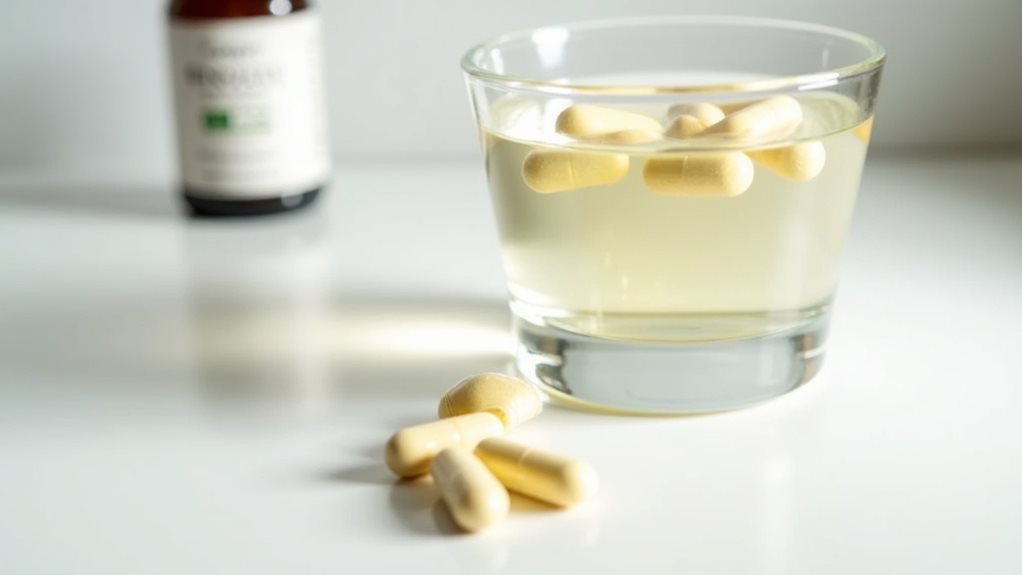
Choosing the right probiotics to use alongside antibiotics requires careful consideration of evidence-based strains and product quality. Addressing probiotic myths, focus on strains like Lactobacillus rhamnosus GG and Saccharomyces boulardii, known for support during antibiotics. Proper timing, such as a 1-2 hour gap, and continuing use for 7-14 days enhances gut health strategies, ensuring consistent, effective results.
Should You Talk to Your Healthcare Provider Before Using Probiotics and Antibiotics?
Talking to a healthcare provider before starting probiotics with antibiotics is important because the benefits vary based on probiotic strains, antibiotic timing, and individual risk factors.
Higher-risk groups, such as older adults or immunocompromised individuals, require careful evaluation.
A provider can recommend appropriate probiotic strains, determine the best antibiotic timing, and assess safety, ensuring effective and safe use.
Frequently Asked Questions
Can Probiotics Interfere With the Effectiveness of Antibiotics?
Probiotics don’t interfere with the effectiveness of antibiotics, as there’s no evidence linking them to antibiotic resistance or reduced treatment success.
Instead, probiotics help maintain gut flora balance, reducing side effects like diarrhea.
However, some strains may be inactivated by antibiotics if taken simultaneously, so timing—such as a two-hour gap—can optimize probiotic benefits without affecting antibiotic efficacy.
Are There Specific Probiotics Recommended for Immunocompromised Patients?
For immunocompromised patients, specific probiotic strains such as *Saccharomyces boulardii* are recommended due to their lower risk of infection. However, safety concerns remain.
*Lactobacillus rhamnosus* GG may be considered with caution, depending on individual health status.
It’s essential to evaluate immunocompromised safety, consult healthcare providers, and monitor for adverse effects before using probiotic strains, as risks of sepsis or fungemia are higher in these patients.
How Quickly Do Probiotics Start Working Alongside Antibiotics?
Probiotics can start working within 1 to 2 days after beginning antibiotics, helping to restore gut flora and support bacterial balance. They may reduce the risk of antibiotic-associated diarrhea and improve gut health during treatment.
Starting probiotics early and continuing for a week or more after antibiotics enhances their effectiveness.
However, microbiome recovery can take weeks to months, and probiotics primarily help limit short-term disruptions, not immediate gut microbiome normalization.
Can Probiotics Be Taken After Completing a Course of Antibiotics?
Yes, you can take probiotics after completing a course of antibiotics.
Certain probiotic strains, like Lactobacillus rhamnosus GG and Saccharomyces boulardii, are effective during and after antibiotic treatment.
Timing matters; it’s recommended to start probiotics within 1-2 days after antibiotics end, and continue for about two weeks.
This approach helps support gut microbiome recovery, but strain selection and adherence to recommended timing are essential for maximum benefits.
Do Probiotics Cause Any Side Effects When Used With Antibiotics?
Probiotics can cause side effects when used with antibiotics, particularly depending on probiotic strains and individual health.
Common side effects include bloating, gas, abdominal discomfort, and diarrhea, especially at high doses or when first starting.
In vulnerable groups, such as immunosuppressed individuals, there’s a risk of serious infections like sepsis.
While probiotics support gut health, proper strain selection and timing are essential to minimize adverse reactions during antibiotic treatment.
And Finally
Taking probiotics with antibiotics can help maintain gut bacteria balance, reduce the risk of diarrhea, and support overall digestive health. Timing is important; taking probiotics a few hours apart from antibiotics enhances their effectiveness. Choosing the right strains, such as Lactobacillus or Bifidobacterium, can maximize benefits. Consult your healthcare provider before starting probiotics to guarantee safe and appropriate use during antibiotic treatment. Properly managed, probiotics can mitigate some negative effects of antibiotics on gut health.
References
- https://pmc.ncbi.nlm.nih.gov/articles/PMC3601687/
- https://pubmed.ncbi.nlm.nih.gov/34385227/
- https://www.aafp.org/afp/2021/1200/od1
- https://pubmed.ncbi.nlm.nih.gov/40191517/
- https://pubmed.ncbi.nlm.nih.gov/16635227/
- https://pmc.ncbi.nlm.nih.gov/articles/PMC11966517/
- https://ods.od.nih.gov/pubs/ebrp.probiotics_for_the_prevention_and_treatment_of_antibiotic-associated_diarrhea.pdf
- https://www.cochrane.org/evidence/CD004827_probiotics-prevention-antibiotic-associated-diarrhea-children
- https://pmc.ncbi.nlm.nih.gov/articles/PMC9408191/
- https://www.frontiersin.org/journals/pharmacology/articles/10.3389/fphar.2023.1153070/full
Pingback: Refrigerated vs Shelf-Stable Probiotics Guide
Pingback: Best Probiotic for Women Over 50: Top Strains