
Magnesium oxide and magnesium glycinate both supply magnesium, but they differ in absorption, gut effects, and elemental dose. Oxide contains more elemental magnesium by weight, yet your body uses less of it, and it can act as a laxative by drawing water into the bowel. Glycinate absorbs better, stays gentler on your stomach, and is often better for sleep or calm. If you keep going, you’ll see which form fits your goal best.
Takeaways
- Magnesium oxide is cheaper and contains more elemental magnesium by weight, but it is absorbed much less efficiently.
- Magnesium glycinate is better absorbed, so more magnesium reaches the body for the same labeled amount.
- Oxide is more likely to cause diarrhea and cramping because it stays in the gut and acts as a laxative.
- Glycinate is usually gentler on the stomach and is often chosen for sleep, stress, or daily supplementation.
- Oxide is commonly used for constipation or antacid relief, while glycinate is preferred for systemic magnesium support.
Magnesium Oxide Vs Glycinate: Key Differences
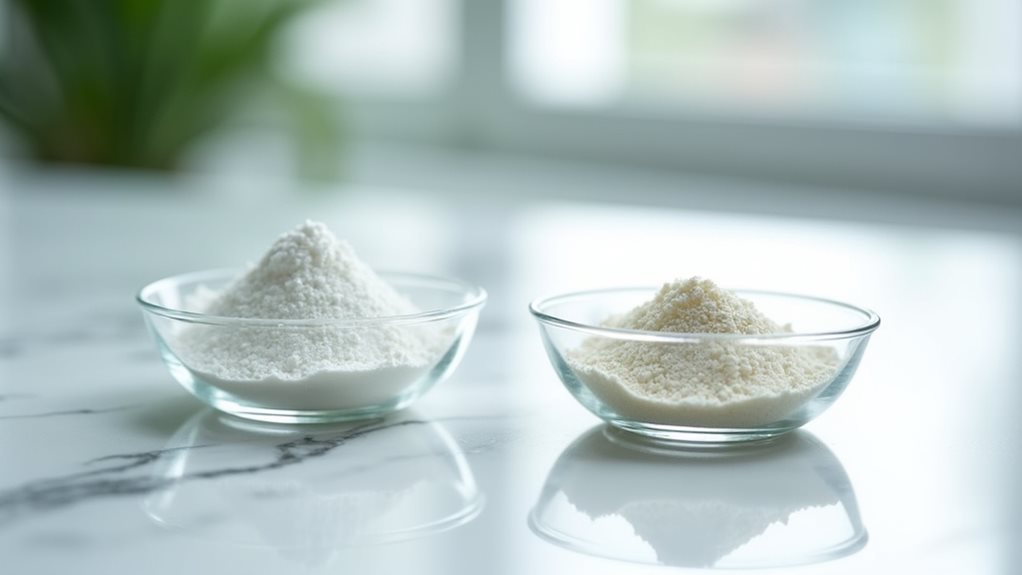
Magnesium oxide and magnesium glycinate differ most in how your body absorbs and uses them.
Magnesium element studies show oxide has more elemental magnesium by weight, yet you absorb only about 4%.
Glycinate reaches near 90% uptake, so it delivers more magnesium systemically.
Oxide stays in the gut, which makes it useful for short term constipation relief and antacid use.
A low magnesium intake can contribute to fatigue, poor sleep, and irritability.
Why Magnesium Glycinate Absorbs Better
Glycinate absorbs better because its chemical structure helps magnesium move through digestion more efficiently. You get stable chelation binding, where glycine forms a ring that shields the mineral from stomach acids, and this supports improved intestinal uptake. The magnesium glycinate form also tends to resist common absorption blockers, which can help more of it get through the digestive tract. The complex also matches amino acid transporters in your small intestine, so more magnesium crosses the gut wall and reaches your blood. Absorption efficiency influences how quickly calming and sleep-supporting effects can begin.
How Much Magnesium Oxide Gets Used
Magnesium oxide has a lower bioavailability compared with other forms, which is why higher salt doses are sometimes noted but absorption remains limited bioavailability.
Elemental Magnesium Vs Real Results

You need to look past the label’s total weight, because elemental magnesium tells you how much actual magnesium you get.
When comparing forms, consider not only the total magnesium listed but also the absorption efficiency and how serum levels respond to each form absorption efficiency.
Elemental Amounts
Elemental magnesium tells only part of the story, because the compound weight and the amount your body can use aren’t the same.
You face label wording confusion when elemental content ratios hide the real dose.
Oxide packs about 60% elemental magnesium, glycinate about 14%, so a 500mg pill gives 300mg versus 70mg.
Read labels carefully, then compare compound weight, not just milligrams.
Absorption Efficiency
Looking beyond the label, magnesium oxide and magnesium glycinate deliver very different real-world results because the body absorbs them at very different rates.
Oxide often absorbs only 4% to 15%, so most of its elemental magnesium passes through unused, and it can add gut irritation.
Glycinate absorbs far better, with less absorption variability, and delivers more usable magnesium despite lower elemental content.
Real-World Effects
In real-world use, magnesium oxide and magnesium glycinate can look similar on a supplement label, but they produce very different results in the body.
Oxide gives more elemental magnesium per gram, yet much stays unabsorbed, triggering diarrhea triggers, bloating, and cramping.
Glycinate delivers less elemental magnesium, but it supports deeper uptake and gentle tolerance, making daily use more practical and consistent.
Why Magnesium Oxide Can Cause Diarrhea
Magnesium oxide can cause diarrhea because it acts as an osmotic laxative when your body absorbs it poorly.
In some people, poor absorption can lead to gut irritation and diarrhea beyond the initial osmotic effect forms of magnesium for sleep.
Why Magnesium Glycinate Is Gentle
Unlike magnesium oxide, magnesium glycinate stays gentle because the magnesium is bound to glycine in a stable chelated form. This structure helps you absorb it in the small intestine, so less remains to disturb your gut. Glycine also supports calm nerves, making it useful for Gentle bedtime support. For Dose adjustment tips, start low, take it with food, and split doses if needed. Magnesium glycinate may offer better tolerability for digestion due to chelation, which can influence how the mineral is handled in the gut and absorbed into the bloodstream. absorption and utilization of different magnesium forms depend on whether they are bound to amino acids or other ligands, shaping both digestive comfort and sleep-related effects.
Magnesium Oxide For Constipation And Antacids
For constipation and heartburn relief, magnesium oxide works differently from glycinate because it acts mainly in the gut.
For antacids, 250 milligrams can repeat every 12 hours.
Take doses with water and food, because higher amounts may cause cramping or diarrhea.
It functions as an osmotic laxative, drawing water into stool to soften it and accelerate bowel movements, while also serving as a quick-release source for heartburn relief due to its acid-neutralizing properties. osmotic laxative
Magnesium Glycinate For Sleep And Anxiety
You can rely on magnesium glycinate for better absorption, so more of the mineral reaches your system to support calm.
The glycine attached to it has a relaxing effect, it helps regulate brain signals and may ease racing thoughts.
Taken 1 to 2 hours before bed, it offers gentle support for sleep and may reduce the time it takes you to fall asleep.
Additionally, magnesium glycinate may help with restless legs symptoms by supporting magnesium levels in the nervous system, which can play a role in muscle relaxation and nerve signaling restless legs factors.
Better Absorption For Calm
When the goal is calm, magnesium glycinate has a clear absorption advantage over magnesium oxide, and that difference drives its therapeutic value. Oxide absorption rates stay near 4%, while glycinate reaches 40–58%, so you get more usable magnesium with less intake.
The GI side effect comparison also favors glycinate, because it’s gentler and avoids the laxative effect that limits oxide’s use.
Glycine’s Relaxing Effect
Magnesium glycinate’s calming effect comes from more than better absorption, because the glycine attached to magnesium also acts on the nervous system.
You get reduced neuronal excitability, stronger GABA signaling, and lower stress reactivity, which can ease anxiety.
Gut microbiome effects may also influence this response, and timing supplementation in the evening can better support glycine’s regulatory role and relaxation.
Gentle Support For Sleep
Because it’s bound to glycine, magnesium glycinate often works as a gentle option for sleep support and anxiety relief.
You absorb it well, and you usually face less diarrhea risk than with oxide or citrate.
It helps regulate GABA and melatonin, so you may fall asleep more easily.
For soothing bedtime timing, take 200 to 400 mg one to two hours before bed.
Which Form Helps Muscle Tension More?
Magnesium glycinate helps more than magnesium oxide for muscle tension, mainly because your body absorbs it far better. It supports electrolyte balance and sleep quality, while glycine calms nerve signals that drive spasms. Oxide often passes through your gut with little uptake, so it can’t raise blood magnesium enough. Glycinate’s higher bioavailability makes it the better choice for tension relief. Glycine calming effects can further support nerve signal relaxation, contributing to fewer muscle spasms.
Magnesium Oxide Dosage And Uses

An oxide form of magnesium serves several uses, and the dose depends on why you take it. For supplements, you’ll usually take 250 to 800 mg daily.
For antacid use, 400 to 800 mg after meals works. For constipation, 400 to 1000 mg at bedtime helps.
You should use serum magnesium monitoring and review drug interaction considerations.
Magnesium Glycinate Dosage And Tolerance
You’ll usually measure magnesium glycinate by elemental magnesium, with common adult doses ranging from 200 mg to 400 mg per day.
If you go above the 350 mg daily supplemental limit, you’ll raise the chance of diarrhea, cramping, and nausea, even though food magnesium doesn’t count toward that cap.
Magnesium glycinate is often easier on your stomach than oxide or citrate, and splitting the dose can improve digestive comfort.
Elemental Magnesium Dose
Counting elemental magnesium matters because magnesium glycinate’s total capsule weight isn’t the same as the magnesium dose your body receives.
For dose timing, take most doses 30 to 60 minutes before bed.
For upper intake, adults shouldn’t exceed 350 mg from supplements unless your clinician directs more.
You’ll usually start with 100 to 200 mg elemental magnesium, then adjust slowly.
High-Dose Tolerance
Because glycinate is well absorbed and usually gentle on the stomach, it can support higher doses with fewer digestive problems than other magnesium forms.
If you have gut sensitivity, start low, then use dose titration, 100 to 200 mg at night.
Split doses can help, and many adults tolerate 200 to 400 mg daily.
Clinician guidance matters for higher therapeutic amounts.
Digestive Comfort
Magnesium glycinate stands out for digestive comfort, especially when higher doses are needed for sleep, cramps, or general supplementation.
You usually tolerate 100 to 300 mg well, and taking it with food, or splitting doses, lowers nausea and cramping.
Magnesium timing, 30 minutes before bedtime, can help sleep.
Hydration guidance matters too, since steady fluids support smooth intestinal passage and reduce upset.
How Chemical Structure Affects Absorption
Although both forms supply magnesium, their chemical structures change how the body absorbs them.
You get oxide, an inorganic compound that dissolves unevenly and depends on passive diffusion.
You get glycinate, an organic chelate with glycine chelation stability, which protects the ion and uses Magnesium transport pathways across the intestinal wall, so more magnesium stays available for uptake and less is lost.
Which Magnesium Form Is Best For You?

Which magnesium form is best for you depends on your goal, since each type works differently in the body.
For sleep, stress, and daily support, you’ll usually want glycinate.
For constipation, oxide works better because it stays in the gut.
Bioavailability myths and dose label confusion matter, since oxide’s high elemental content doesn’t mean better absorption, and glycinate’s lower label can still deliver more usable magnesium.
Frequently Asked Questions
Can Magnesium Glycinate Be Taken With Food?
Yes, you can take magnesium glycinate with food.
Timing with Food matters because meals help reduce nausea, cramping, and other stomach upset.
Food can also support better tolerance and steady use.
Absorption Differences are usually small, but taking it with a meal often helps your body handle it more comfortably.
If you have a sensitive stomach, take it during or right after dinner, and drink water with it.
Does Magnesium Oxide Interact With Other Supplements?
Yes, magnesium oxide can interact with other supplements. You may see reduced mineral absorption with calcium, iron, or zinc, and you should separate doses.
It can also affect antispasmodics, sedatives, antibiotics, and diuretics, lowering their effect or increasing side effects. Careful medication timing helps limit these problems.
Check labels, follow spacing instructions, and ask a pharmacist before combining magnesium oxide with supplements or medicines.
Is Glycinate Suitable for People With Kidney Issues?
No, glycinate isn’t usually suitable if you have kidney issues, because reduced kidney function limits magnesium clearance and raises toxicity risk.
Magnesium glycinate dosing should stay very low, or be avoided, when your GFR drops, especially below 30 mL/min.
You should get serum magnesium checked first, then follow clinician guidance.
Confusion, weakness, and irregular heartbeat can follow accumulation, so kidney function considerations must guide every supplement decision.
Can Either Form Cause Drowsiness During the Day?
Yes, either form can make you drowsy during the day, but glycinate does so more often because you absorb more magnesium and glycine can calm your nervous system.
Magnesium oxide effects are usually weaker, so daytime sleepiness is less common.
Glycinate daytime safety improves when you take 200-400 mg mineral at night, 45-60 minutes before bed.
Higher doses, or late dosing, can leave you groggy the next day.
How Long Before Magnesium Supplements Start Working?
You’ll usually notice magnesium’s first effects within hours to a few days, depending on absorption timing and dose response.
If you’re using a well-absorbed form, sleep or cramp relief can start in 1 to 3 days, constipation relief may happen in 1 to 4 hours, and steadier benefits often take 1 to 2 weeks.
For anxiety, energy, or blood pressure, you may need 4 to 12 weeks of consistent use.
And Finally
Magnesium oxide and magnesium glycinate deliver the same mineral, but they behave differently in your body. Oxide contains more elemental magnesium, yet your gut uses less of it and diarrhea happens more often. Glycinate absorbs better and usually causes fewer digestive problems. If you need a cheaper option or a laxative effect, oxide can help. If you want better tolerance and steadier absorption, glycinate is usually the better choice.
References
- https://moonjuice.com/blogs/ingredients/magnesium-glycinate-vs-oxide
- https://www.coalgrovepharmacy.com/blogs/magnesium-mayhem-which-type-do-you-actually-need-glycinate-vs-citrate-vs-oxide
- https://drstanfield.com/blogs/articles/difference-magnesium-oxide-glycinate
- https://alexstew.com/magnesium-oxide-vs-glycinate/
- https://moritzlab.com/blogs/articles/magnesium-oxide-vs-glycinate-what-to-know-before-you-supplement
- https://www.kalahealth.eu/which-form-of-magnesium-is-best-a-scientific-comparison-of-bisglycinate-citrate-and-oxide/
Pingback: How Much Magnesium Is Too Much? Safety Limits